Table of Contents
- Step 1: Confirm It’s Actually Dry Eye (not allergies or plain eye strain)
- Step 2: Understand What’s in The Bottle
- Step 3: Match Drops to Your Type of Dry Eye
- Step 4: Consider Your Lifestyle Triggers
- Step 5: Pick the Right Format and Time of Use
- Which Dry Eye Drops Should You Choose? – The OptiChoice Range
- Avoid This Common Mistake: Anti-Redness Drops for Dry Eye
- How to Read an Eye Drop Label Like a Pro
- When to See an Optometrist Instead of Self-Treating
- Quick Decision Checklist
- Conclusion
- FAQs
Dry, irritated eyes can make even ordinary tasks feel uncomfortable. A few hours in front of a screen, a long day in air conditioning, or contact lens wear can leave your eyes feeling gritty, tired, watery, or sore. Eye drops for dry eyes can help support moisture on the surface of the eye and ease the discomfort associated with dryness. However, choosing the right drops involves more than picking the first option available.
Step 1: Confirm It’s Actually Dry Eye (not allergies or plain eye strain)
- Before choosing an eye drop, take a moment to consider your symptoms. Dry eye, allergies, and digital eye strain can overlap, but they often have some noticeable differences.
- Dry eyes cause blurring, stinging, grittiness, and a sandy sensation. People also experience excessive watering because the tear film produces more watery tears to reduce irritation.
- Eye allergies, on the other hand, often come with noticeable itching. Redness, watering, and sensitivity may also occur, particularly when symptoms appear around a known allergen.
- Digital eye strain often occurs after a long period of screen usage. It can cause tired eyes, temporary blurred vision, difficulty focusing, headaches, and discomfort.
- These symptoms can overlap, so this comparison does not replace an eye examination. However, understanding the difference can help you think more carefully about the type of eye drop you choose.
Step 2: Understand What’s in The Bottle
Different ingredients serve different purposes in an eye drop, so understanding a few common ones can make the selection process easier.
Electrolytes
Electrolytes naturally occur in tears and contribute to the overall balance of the tear film. Eye drops containing electrolytes are generally formulated to support hydration and the eye’s surface environment.
Lipids
The tear film has an outer lipid layer that helps slow down evaporation. When this layer does not function effectively, tears may evaporate too quickly. Lipid-based eye drops can help support this part of the tear film and may be particularly relevant for people experiencing evaporative dry eye.
Guar Gum
Guar gum can increase the viscosity of an eye-drop formulation. In simple terms, it can help the formulation remain on the eye surface rather than disappearing immediately after application. This property makes it useful in some lubricating formulations.
Hyaluronic Acid
Hyaluronic acid is widely used in eye-care formulations because of its ability to attract and retain water. In lubricating eye drops, it can support moisture on the surface of the eye and may help soothe the uncomfortable sensation associated with dryness.
Step 3: Match Drops to Your Type of Dry Eye
Dry eye does not always develop for the same reason. Looking at the type of dryness can help narrow down the formulations worth considering.
Aqueous-Deficient Dry Eye
Aqueous-deficient dry eye appears when the eyes do not produce enough watery part of the tear film. Hydrating formulations containing ingredients such as electrolytes or moisture-supporting agents may be considered as part of managing this type of discomfort.
Evaporative Dry Eye and MGD
Evaporative dry eye occurs when tears evaporate too quickly from the eye surface. Meibomian gland dysfunction can contribute to this problem because the meibomian glands produce oils that help protect the tear film from excessive evaporation.
For this type of dryness, lipid-based formulations may be worth considering because they are designed to support the tear film’s lipid layer.
Mixed Dry Eye
Some people experience both reduced tear production and excessive tear evaporation. In these cases, a combination approach may be appropriate. The most suitable formulation can depend on the individual’s symptoms and the underlying factors contributing to dryness.
If you are unsure which type of dry eye you have, an optometrist can help assess your symptoms rather than leaving you to guess between different formulations.
Step 4: Consider Your Lifestyle Triggers
Analysing your daily routine can also help in choosing eye drops.
Long Screen Hours
Focusing on a screen for hours can leave your eyes feeling dry and tired. The main issue is that we tend to blink less when we’re focused on something, which means the tear film doesn’t get refreshed as often.
Air Conditioning and Heating
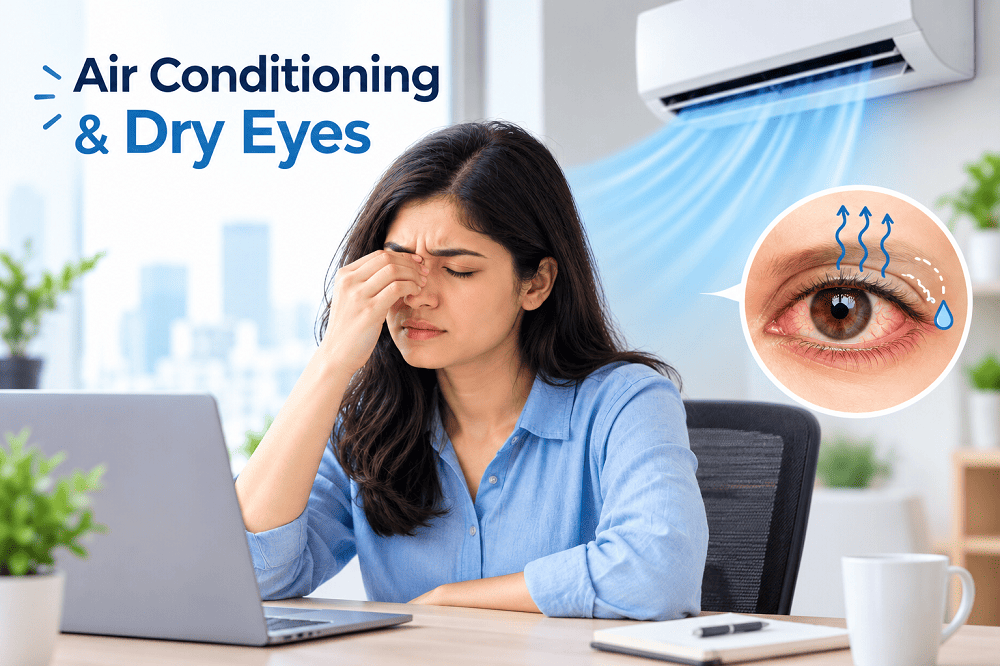
Your office may feel comfortable, but your eyes might disagree. Air conditioning and heating can make the surrounding air drier, which may cause tears to evaporate more quickly. If your eyes often start feeling dry after spending several hours indoors, your environment could be part of the reason.
Contact Lens Wear
Contact lenses can sometimes make dry-eye discomfort more noticeable, particularly when you wear them for long periods. If you use lenses, don’t just pick any eye drop from the shelf. Check the label to see whether it is compatible with contact lenses or whether you need to remove them before applying the drops.
Hormonal Changes
Hormonal changes can affect tear production and tear-film stability. Some people may notice changes in their eye comfort during periods of hormonal fluctuation.
Post-Surgery Recovery
Dryness and discomfort can sometimes occur during recovery from certain eye procedures. However, anyone recovering from eye surgery should follow the instructions provided by their eye-care professional rather than selecting an eye drop independently.
Step 5: Pick the Right Format and Time of Use
- Eye drops come in different consistencies, and each format can fit a different part of your routine.
- Liquid eye drops are generally convenient during the day. Their lighter consistency makes them practical when you need to continue working.
- Gel drops have a thicker consistency, and they remain on the eye surface for longer. Their thickness can temporarily affect vision, so try using them when you do not need clear vision immediately afterward.
- Eye ointments are considerably thicker and are often more practical for nighttime use. They can provide longer-lasting lubrication.
A Quick Word on Preservatives
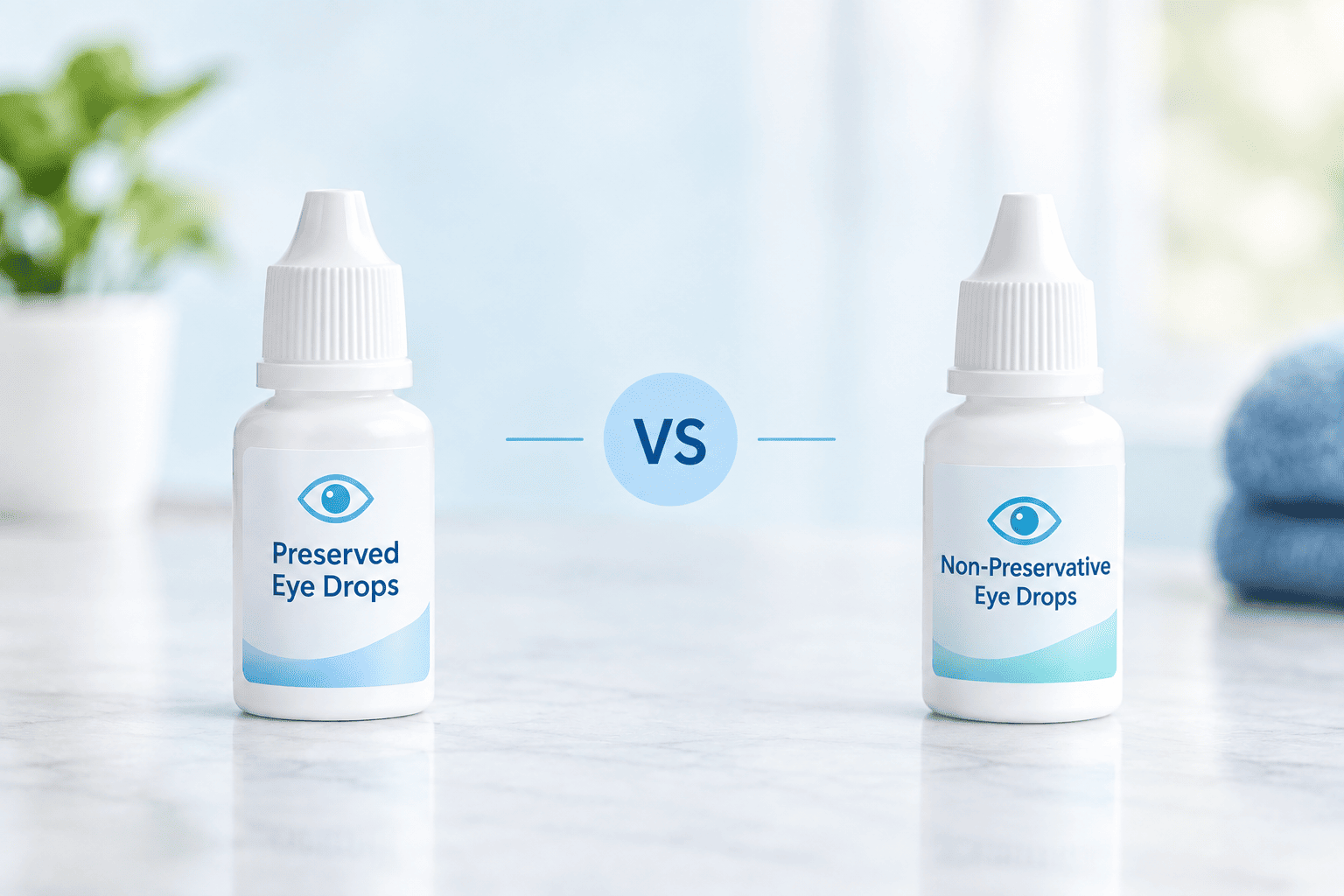
Preservatives help maintain the sterility of many multi-dose eye-drop bottles. But frequent use of some preserved formulations may cause irritation for certain people. Preservative-free eye drops can be an option for people who need lubricating drops frequently or have sensitive eyes.
For a detailed explanation of preservatives and when preservative-free drops may be worth considering, refer to our dedicated guide on preservative-free eye drops.
Which Dry Eye Drops Should You Choose? – The OptiChoice Range
Once you understand your symptoms and the role of different ingredients, choosing an eye drop is about finding a formulation that fits your needs. OptiChoice offers lubricating eye drops with different concentrations of sodium hyaluronate so that you can choose a formulation based on your level of dryness.
OptiChoice 2 mg/mL is designed for mild to moderate dry-eye symptoms. Its lighter formulation makes it suitable for everyday lubrication and daytime use.
OptiChoice 4 mg/mL contains a higher concentration of sodium hyaluronate and has a thicker consistency. It is designed for more persistent or advanced dryness where longer-lasting lubrication may be preferred.
Both formulations are preservative-free and phosphate-free and are suitable for contact lens wearers. If you’re unsure which option fits your symptoms, an optometrist can help you choose the appropriate formulation.
Avoid This Common Mistake: Anti-Redness Drops for Dry Eye
- Seeing red eyes can make you reach for anti-redness drops, but redness and dryness are not the same problem.
- Anti-redness drops are generally designed to reduce the appearance of redness by affecting the blood vessels in the eye. Whereas lubricating eye drops focus on supporting moisture and reducing the uncomfortable sensations associated with dryness.
- Using an anti-redness product does not necessarily address the reason your eyes feel dry. What’s more, frequent use of some redness-relieving drops can cause rebound redness, where the eyes may appear red again after the effect wears off.
- If dryness is the main concern, look for a formulation designed for lubrication rather than choosing a product simply because it promises to make the eyes look less red.
How to Read an Eye Drop Label Like a Pro
You do not need a medical degree to understand the basics of an eye-drop label. A few details can help you make a more informed choice.
- Osmolarity: This refers to the concentration of dissolved particles in a solution. In eye-care formulations, osmolarity can be relevant because the tear film has its own natural balance.
- Viscosity: This describes how thick or fluid the formulation is. A more viscous product may remain on the eye surface for longer, although it can also cause temporary blurring.
- Ingredients: Check the active and supporting ingredients rather than relying only on marketing claims. Look for ingredients that match the type of lubrication or moisture support you are looking for.
- Expiry after opening: The expiration date printed on the package is not always the only date you need to consider. Some products have a specific recommended period for use after opening.
- Contact lens compatibility: If you are a contact lens wearer, check the label for specific instructions before using the product.
When to See an Optometrist Instead of Self-Treating
Occasional mild dryness often does not require a complicated approach, but constant symptoms deserve more attention. Consult an optometrist if you experience symptoms even after using lubricating drops, if they keep returning or if they affect your everyday activities.
Constant redness, significant eye pain, light sensitivity, or noticeable changes in vision should also be assessed rather than managed by simply trying another eye drop.
Quick Decision Checklist
- What is your screen time?
- Are you constantly exposed to air conditioning or heating?
- Do you wear contact lenses?
- Which drops will suit your routine better?
- How often do you expect to use the drops?
- Does the product suit your contact lens routine?
- Have your symptoms continued even after trying lubricating drops?
These questions can help you narrow down your options instead of choosing a product based solely on redness, packaging, or a promise of fast results.
Conclusion
Try to understand the problem before choosing the right soothing eye drops for dry eyes. Dry eye can develop because of reduced tear production, faster evaporation, environmental conditions, screen use, contact lenses, or several factors working together, so understanding these differences helps you make the correct choice.
FAQs
Are preservative-free eye drops necessary for everyone?
Not necessarily. Preservative-free eye drops are necessary for people who are frequent users; people who have occasional dry eyes can use preservative eye drops.
How do I know if I have dry eye or just eye allergies?
Consult an optometrist; symptoms for dry eyes and allergies can overlap, so persistent or unclear symptoms are best discussed with an optometrist.
Can I use anti-redness eye drops for dry eye?
No, you should not use anti-redness eye drops for dry eye, as they are different things, and they won’t relieve your dry eye discomfort.
How many times can I use eye drops for dry eyes?
There is no single frequency that applies to every eye drop. Follow the instructions provided with your specific formulation. If you find that you need lubricating drops very frequently, consider discussing your symptoms with an optometrist.
When should I see an optometrist instead of trying more eye drops?
Consult an optometrist if your symptoms repeatedly return or become difficult to manage. Significant eye pain, changes in vision, light sensitivity, discharge, or symptoms following an injury or eye procedure should also be assessed by an eye-care professional.
Sources:
- https://www.webmd.com/eye-health/right-eye-drops-dry-eyes
- https://www.aao.org/eye-health/tips-prevention/how-to-choose-lubricant-drops-dry-eyes
- https://www.mayoclinic.org/diseases-conditions/dry-eyes/diagnosis-treatment/drc-20371869