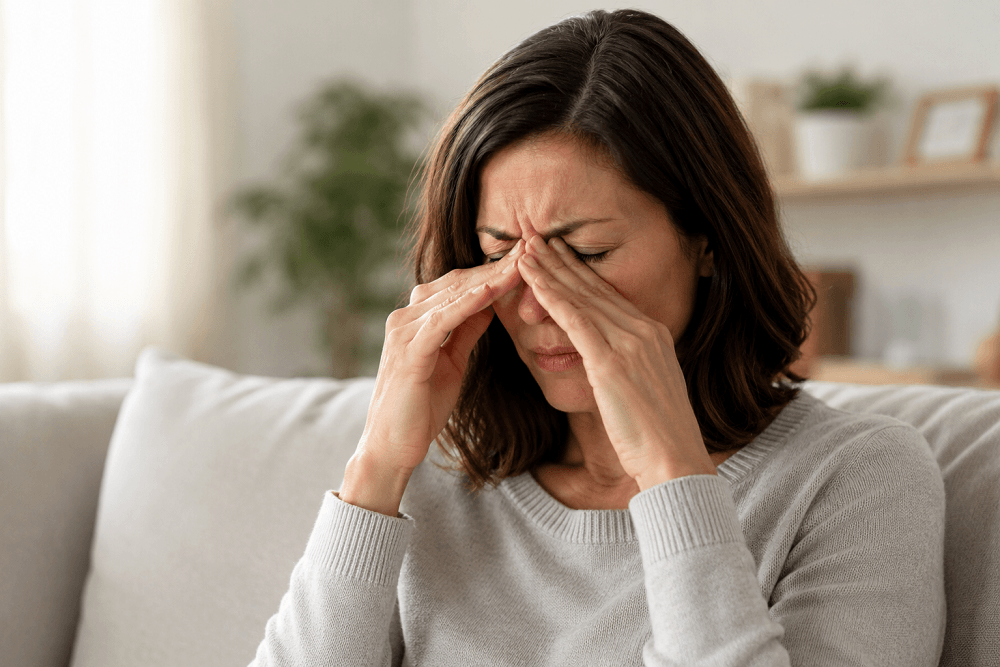
Watery eyes, itching, eye redness, and eye discomfort are ironically considered part and parcel of modern life. Many people avoid eye discomfort and watery eyes, blaming prolonged working hours in front of screens, air-conditioned spaces, or ageing. While these symptoms certainly affect the eyes’ natural ability to stay comfortable, if these symptoms keep returning or gradually increasing, it may be worth having your eyes assessed by an optometrist. Dry eyes are one of the most common eye conditions seen in clinical practice. Understanding its symptoms, causes and management can help people seek appropriate assessment and support.
This guide walks through what’s happening when your eyes feel this way, why it happens, and what your options are for finding relief.
What is Dry Eye?
Dry eyes occur when the eyes don’t produce enough tears or the tears you produce evaporate too quickly. Moreover, the composition of tears also matters, and if not balanced, it fails to keep the surface of your eye comfortably lubricated. The statistics from the Australian Government’s Pharmaceutical Benefits Scheme (PBS) estimated that between 416,907 and 526,620 Australians who visit a general practitioner (GP) each year have dry eye disease.
Given how common it is, if symptoms are persistent or recurring, consider booking an eye examination. Let’s take a deeper look into the types of dry eye disease.
The Three Types of Dry Eye Disease
Understanding different types of dry eye disease helps explain the same complaint: why do my eyes feel dry?. Dry eye disease is categorised into three primary types:
Aqueous-deficient dry eye
This type of dry eye occurs when the lacrimal glands fail to produce enough watery components of tears. The lacrimal glands, responsible for producing tears in the eyes, may not be functioning at full capacity. It can happen due to certain medications, age, or some autoimmune conditions.
Common symptoms
- Gritty and sandy feeling in the eyes
- Severe light sensitivity
- Persistent stinging
Evaporative dry eye
Evaporative dry eyes account for up to 86% of all dry eye cases. In this case, the tear production is normal, but it evaporates too fast. This happens due to Meibomian Gland Dysfunction (MGD), meaning the oily outer layer of the tear film produced by small glands isn’t functioning as it should; dry or windy environments; or prolonged screen time.
Common symptoms
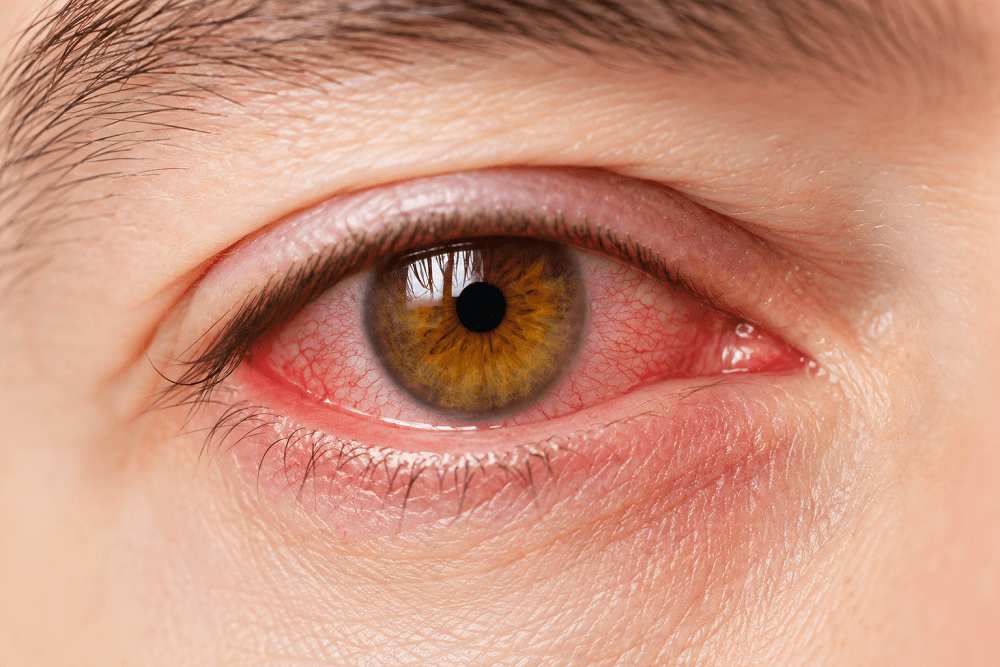
- Redness
- Fluctuating vision
- Burning
- Excessive watery tearing
Mixed dry eye
Mixed dry eye is a condition that many individuals suffer from. It is a combination of aqueous-deficient and evaporative types of dry eye. In this case, tears produced lack the oily layer required to prevent evaporation, and the eyes fail to produce a normal volume of tears.
An optometrist can assess which pattern best fits your eyes, which matters because the most useful approach can differ depending on the underlying cause.
Common symptoms
A continuum of symptoms ranging from fluctuating vision throughout the day, heavy fatigue in the eyes, and severe morning dryness
Who Gets Dry Eye Disease?
Dry eyes can affect anyone, but it’s generally more common:
- Women, particularly around and after menopause.
- Ageing adults
- Individuals who wear contact lenses
- To the individuals living in air-conditioned or dry environments
- People who spend long hours on digital screens
- Those with existing underlying conditions
- Individuals on medication or who have had recent eye surgery may also experience dry eyes.
Dry eyes aren’t just an ageing adult’s issue; many younger people who are otherwise healthy also experience it.
What Causes Dry Eye Disease?
The following factors contribute to dry eye:
Environmental factors: Air conditioning, wind, dry air, low humidity, and heating all cause tears to evaporate faster.
Extended screen use: We are so engrossed and focused while working on a screen that we often blink less, which means tear film is refreshed less frequently.
Ageing: With age, the body naturally produces fewer tears, making it a common condition for individuals over 50.
Hormonal changes: Fluctuations caused by menopause, pregnancy, or oral contraceptives can lead to decreased tear production.
Eyelid conditions: If an individual is experiencing blepharitis, it can affect glands along the eyelid margin.
Wearing contact lenses: Contact lens wear can contribute to dry eye symptoms by affecting the tear film.
Underlying health conditions: Autoimmune or inflammatory conditions, which can affect the glands responsible for healthy tears.
Recognising the Symptoms
Dry eye symptoms vary from person to person. Recognising dry eye syndrome includes watching out for these indicators:
- Eye fatigue
- Contact lens discomfort
- Mucus and redness
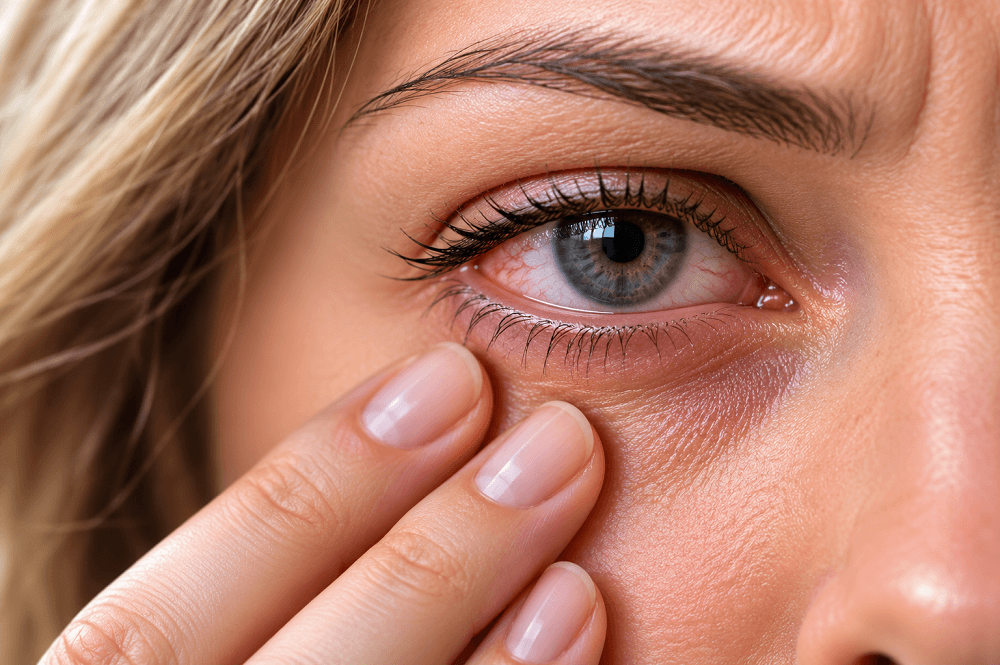
- Watery eyes
- Gritty, sandy, or scratchy feeling
- Stinging or burning
- Eyes feel heavy or tired
- Recurring blurred vision
How Dry Eye Disease Is Diagnosed
You can have a proper dry eye diagnosis by visiting an optometrist. They have a range of tests available to evaluate both the quantity and quality of your tears.
A comprehensive eye examination:
An optometrist asks about your symptoms, history, and any relevant health conditions or medications.
A test is conducted to measure the volume of your tears:
They measure your tear production using the Schirmer tear test. In this test, smaller blotting threads or strips are placed under your lower eyelids for a few minutes to measure the volume of fluid your eyes produce.
Test osmolarity:
The high osmolarity indicates tears are too concentrated, which is a hallmark of dry eyes. Tear osmolarity is measured using an in-office device that assesses the concentration of salts within the tear film.
Ocular surface staining:
Dyes like Lissamine Green, Rose Bengal, or Fluorescein are used to highlight damaged or dead cells on the cornea’s surface.
Meibography:
Checking the health and function of the meibomian glands to see if they are blocked or deteriorated.
How Dry Eye Disease Is Managed
Managing dry eye depends on what’s driving your symptoms and how significant they are. Broadly, the ways to manage dry eye include the following:
Dry eye drops
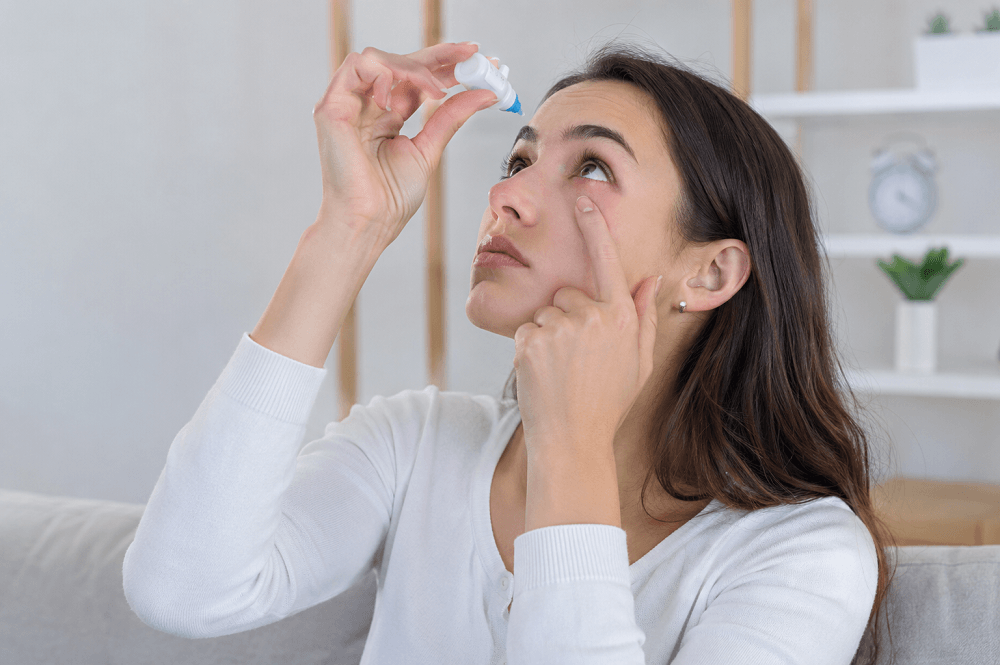
Lubricating eye drops may help relieve symptoms by supplementing the natural tear film. They help supplement moisture on the eye’s surface, reducing friction that’s caused by blinking. You will find a range of options, such as 2mg eye drops for dry eyes or the more concentrated formulas. Upon consultation, your optometrist can help you work out which strength and type suit your symptoms. Always read the label and follow the directions for use.
Use light therapy and eyelid massage.
People with severe dry eyes may benefit from a treatment called intense pulsed light (IPL) therapy. It is often followed by a gentle eyelid massage to imay help improve the function of the meibomian glands in suitable patients.
Unblocking oil glands
Warm compresses may help improve the flow of oil from blocked meibomian glands.
Lifestyle and environment adjustments
Take regular screen breaks, use a humidifier, or reduce exposure to air conditioning or wind.
The right combination is something to work through with your optometrist or pharmacist rather than guess.
Is Dry Eye Disease Permanent?
The dry eye condition varies from person to person. It is typically a chronic long-term condition; in some cases, untreated severe dry eye disease may increase the risk of damage to the ocular surface. An optometrist can advise on appropriate management.
If the dryness in the eyes is due to lifestyle habits like contact lenses or prolonged screen hours, environmental triggers, medications, or recovering from surgery, then it can be temporary dryness. Symptoms often improve once the underlying cause is addressed.
For many people, dry eye is an ongoing, chronic condition, particularly when it’s linked to ageing, hormonal changes, or an underlying health condition.
Many people experience significant improvement in symptoms with appropriate management, although some forms of dry eye are chronic and require ongoing care. For a lot of people, that ongoing management may include regular use of lubricating eye drops if recommended by an optometrist.
When to See an Optometrist for a Dry Eye Solution?
It’s worth booking an appointment if you notice the following:
- Sudden changes in vision
- Persistent or worsening symptoms
- Eye discomfort that’s affecting your ability to read, use screens, or work
- Redness, discharge, or pain
- Discomfort that starts after beginning a new medication
- Contact lens intolerance
An optometrist can assess your tear film and eye surface, diagnose other causes, and help you develop a management plan for your symptoms.
Conclusion
Dry eye is a common syndrome, and it is manageable with the right approach. The key is to not leave it untreated as a temporary discomfort or common issue. Your optometrist may recommend lubricating eye drops as part of your management plan. If you’ve been noticing any of the symptoms above, consider booking an eye examination with your optometrist to discuss your options.
Sources:
- https://drchameensams.com.au/understanding-dry-eyes-causes-symptoms-and-effective-treatments/
- https://my.clevelandclinic.org/health/diseases/24479-dry-eye
- https://www.betterhealth.vic.gov.au/health/conditionsandtreatments/dry-eye
- https://nexuseyecare.com.au/eyes/understanding-dry-eye-a-common-but-often-overlooked-condition/