
The feeling of a grain of sand caught under your eyelid, only to find nothing but the feeling, doesn’t go away. It is one of the most common symptoms people have, which is triggered by a windy walk outdoors, a long day working on the screen, wearing contact lenses for an entire day, or an unstable tear film.
If your eyes feel gritty without any reason, this blog breaks down what’s actually happening on the surface of your eye when it feels gritty.
What Does It Mean When Your Eyes Feel Gritty?
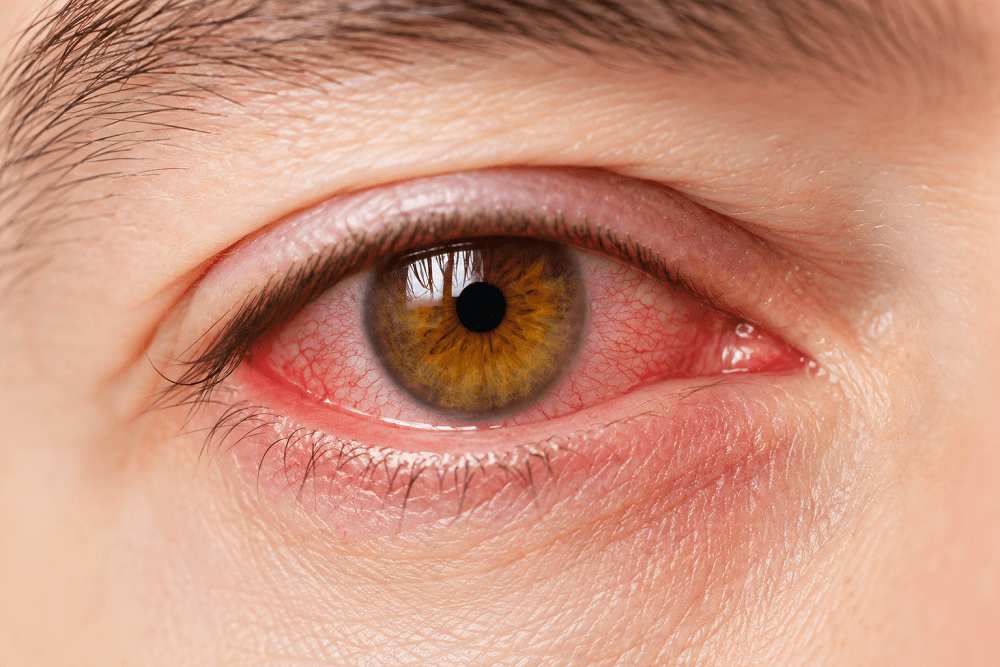
A person feels gritty in the eyes, describing a feeling when something foreign on the surface of the eye is present, even when there isn’t. The grittiness in the eyes is often accompanied by mild redness, a burning sensation, a sense that the eyes are heavy or tired, or watery eyes more than usual. The constant feeling of sand, eyelashes, or dust in the eye when there isn’t any may indicate changes to the tear film, although other eye conditions can cause similar symptoms. Dryness may contribute to irritation and discomfort, which some people describe as a gritty or sandy sensation.
Common causes of gritty eyes
- Allergies
- Contact lenses
- Inflamed or clogged oil glands
- Dry eye syndrome
- Environmental factors
What Else Can Cause Gritty Eyes?
Dry eyes aren’t the only cause of a gritty sensation in the eyes. Here’s an overview of other reasons that can cause similar symptoms.
| Causes | Symptoms |
| Conjunctivitis | Redness, discharge, eyes that feel “stuck” on waking (Symptoms vary depending on the underlying cause) |
| Allergies | Itching, watery eyes, sneezing |
| Extended screen use | Mild burning, fatigue, and symptoms building throughout the day |
| Environmental conditions | Tiredness, dryness |
| Vitamin A deficiency (which is uncommon in Australia) | Scratchiness, dryness |
| Medications | Dryness |
| Aging | Blurry vision, dry eyes |
| Blepharitis (inflammation along the eyelid margin) | Red or swollen lid edges, crusting at the base of the lashes, morning discomfort |
| Contact lenses | Dryness |
Gritty Eyes and Contact Lenses
The feeling of grittiness or sandiness in the eyes is a classic sign of contact lens-induced irritation or dryness. A contact lens sits directly on the tear film; contact lens wear can contribute to ocular discomfort and may affect tear-film stability, which can lead to symptoms such as dryness or a gritty sensation. Wearing contact lenses for prolonged hours can make the tear film less stable. Symptoms often improve after lenses are removed, although persistent symptoms should be assessed by an optometrist. If you wear contact lenses and notice grittiness regularly, it’s worth mentioning to your optometrist at your next check-up.
How Gritty Eyes Caused by Dryness Are Managed
When you visit an optometrist for an eye check-up and they confirm that your gritty feelings in your eyes suggest dryness, many approaches can help manage dry eyes.
Below are the ways sandy sensation caused by dryness can be managed:
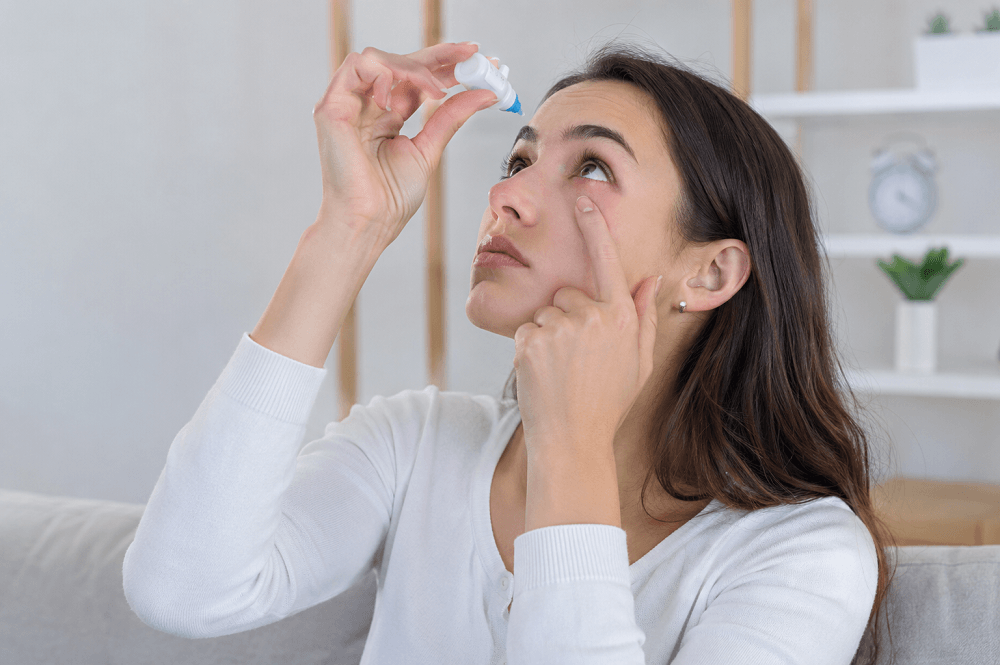
Supporting the ocular surface can be achieved by using lubricating eye drops
Lubricating eye drops are commonly used to help relieve symptoms associated with dry eyes, adding hydration and protecting corneal epithelial cells from damage. Lubricating eye drops may help supplement the natural tear film and temporarily relieve symptoms of dryness. Your optometrist can recommend a suitable option based on your individual needs.
Why preservative-free may suit frequent, all-day use
Eye drops with preservatives are usually fine for occasional use, but chemicals like benzalkonium chloride can irritate the ocular surface. For individuals using lubricating eye drops often throughout the day, a preservative-free formulation is generally worth considering. Your optometrists may recommend either 2mg or 4mg eye drops if you require frequent lubrication.
Warm compresses and lid hygiene, where the lids are involved
Warm compresses may help improve symptoms associated with Meibomian gland dysfunction(blocked oil glands in your lids). Applying a warm compress gently held against closed eyelids for 5-10 minutes can help loosen debris and promote healthy function of oil glands in the eyelids. Additionally, gently massaging the base of the eyelashes with small circular strokes while your lids are warm encourages oil glands to release their natural oils, reducing tear evaporation.
Protecting your eyes from wind, dust, and sun
Dust, wind, smoke and air conditioning are common environmental factors that can contribute to dry eye symptoms. These environmental factors disturb the tear film and introduce particles onto the eyes’ surface. Air-conditioned environments and UV exposure accelerate tear evaporation. So limit your exposure to direct blowing air, choose wraparound sunglasses offering 100 per cent UV protection, and also wear safety goggles when you are outdoors, riding a bike, or in high-wind areas.
When Gritty Eyes Need an Optometrist
Experiencing occasional gritty sensation after a dusty day outdoors, after pulling an all-nighter, or after a long screen session is common and usually resolves on its own. However, the learning part begins upon experiencing any of these symptoms:
- Persistent or recurring grittiness
- Grittiness, along with dry mouth and other symptoms affecting other body parts.
- If you experience sudden vision changes
- When you notice changes to your eyelids, like swelling, redness, or crusting along the margin
- If you experience any changes to your vision alongside the grittiness
Frequently Asked Questions:
Why do my eyes feel gritty when there’s nothing in them?
The gritty feeling in the eyes often arises when the eye’s surface lacks a smooth lubricating layer of tears and becomes irritated. When your tear film thins out or becomes unstable, that friction and unevenness get picked up the same way a foreign object would, thereby evoking the feeling of grittiness.
Why are my eyes gritty in the morning?
Reduced tear production overnight leads to morning grittiness. Eyes remain closed for hours without blinking, so the tear film stays unrefreshed and the surface becomes dry on waking up. Also, partial eyelid closure while sleeping or sleeping near a ceiling fan or air vent dries out the tear film, leaving eyes feeling gritty in the morning.
Does dry eye always cause gritty eyes?
No, dry eye is one of the most common causes of gritty eyes, but it’s not the only one. Grittiness can be due to environmental irritations, conjunctivitis, allergies, eyelid inflammation, etc. An optometrist can pinpoint the actual cause if you’re not sure.
Can eye drops help gritty eyes?
Yes, eye drops for dry eyes can provide temporary relief from dryness and irritation. It helps restore your eye’s tear film and reduce surface irritation. Always read the label and follow the directions for use, and consult your optometrist if symptoms persist.
Why do my eyes feel gritty with contact lenses?
Contact lenses sit directly on your tear film, and that can make it harder for the film to spread evenly with each blink. Longer wear times and dry, air-conditioned environments add to this, which is why grittiness often builds the longer the lenses stay in.
When should I see an optometrist about gritty eyes?
Arrange an eye examination promptly if the grittiness worsens over time, is persistent, or is accompanied by light sensitivity, intense pain, sudden changes in vision, or discharge. An optometrist can examine your eyes directly and work out the right next step for your situation.
Sources:
- https://www.healthline.com/health/what-can-cause-gritty-eyes-and-how-to-treat-them#causes
- https://www.optometrists.org/general-practice-optometry/guide-to-eye-conditions/dry-eye/conjunctivitis-and-eye-infections/why-do-my-eyes-feel-gritty/