Table of Contents
- What is Dry Eye?
- 7 Common Dry Eye Myths, Busted
- Myth 1: Dry Eyes Only Affects Older People
- Myth 2: Watery Eyes Mean It Cannot Be Dry Eye
- Myth 3: Dry Eye is Just a Minor Annoyance
- Myth 4: Eye Drops Cure Dry Eye
- Myth 5: All Eye Drops Are the Same
- Myth 6: I’ll Become Dependent on Eye Drops, or More Drops Are Always Better
- Myth 7: If Drops Help, I Don’t Need an Optometrist
- When Should You See an Optometrist?
- FAQs
Dry, irritated or watery eyes are easy to dismiss, particularly when the discomfort comes and goes. Yet, many Australians experience eye-related issues without seeking regular professional care. Research found that 13% of Australians had never seen an optometrist, while 26% had not had an eye examination in the previous two years.
With dry eye symptoms among commonly reported eye concerns, understanding the condition and separating myths from facts helps people make the right decisions about their eye health.
What is Dry Eye?
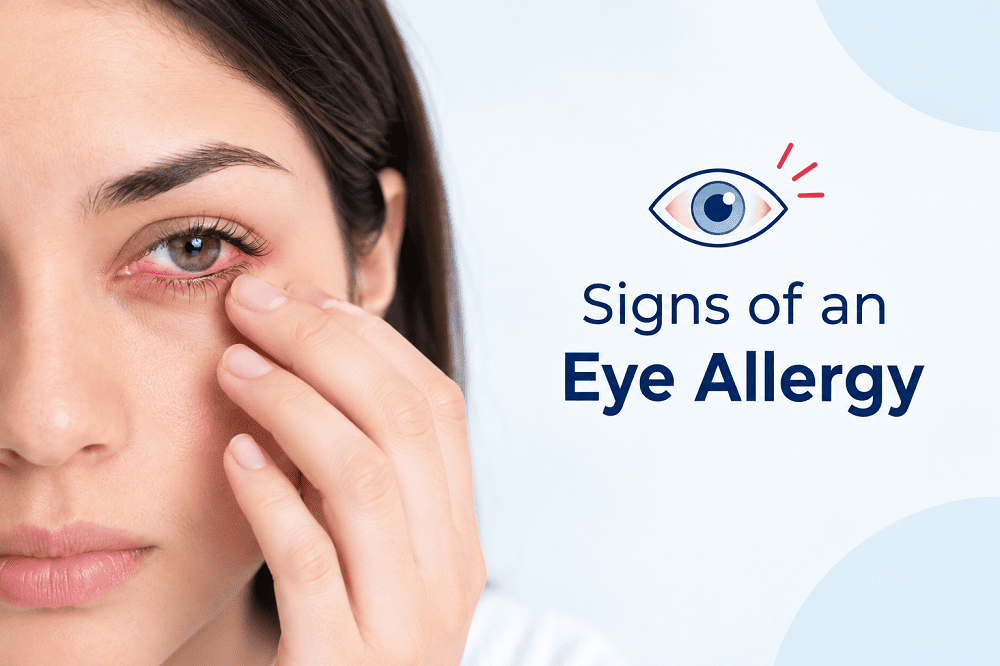
Dry eyes occur when tears can not lubricate the eyes. This happens because the eyes do not produce enough tears or because the tear film becomes unstable and evaporates too quickly. Since the tear film protects the eye’s surface, disruption can cause dryness, irritation, redness, and fluctuating vision.
7 Common Dry Eye Myths, Busted
Myth 1: Dry Eyes Only Affects Older People
Reality: Dry eyes aren’t just an age-related concern. Younger people can experience them too, especially after spending long periods looking at screens, wearing contact lenses or working in air-conditioned spaces. If your eyes often feel dry or irritated, don’t dismiss it simply because you’re young.
Myth 2: Watery Eyes Mean It Cannot Be Dry Eye
Reality: It may seem contradictory, but dry eyes can water excessively. When the eye’s surface becomes irritated, the eyes produce extra tears in response. But these tears don’t always lubricate the eyes effectively. So, if your eyes keep watering alongside a gritty or uncomfortable feeling, dry eye could be one possible explanation.
Myth 3: Dry Eye is Just a Minor Annoyance
Reality: Dry, irritated eyes can make even simple tasks such as reading a book, working on a computer, or wearing contact lenses uncomfortable. If it’s starting to affect your daily routine, it’s worth getting your eyes checked by an optometrist.
Myth 4: Eye Drops Cure Dry Eye
Reality: lubricating eye drops can help relieve symptoms and support eye comfort, but they do not treat every cause of dry eye. You need other management strategies depending on your symptoms. You should visit an optometrist if your relief is temporary and the symptoms keep recurring to find the appropriate next step.
Myth 5: All Eye Drops Are the Same
Reality: If you compare two bottles of eye drops, you will find that their ingredients, concentrations and intended uses differ; the difference can even increase if you are looking for preservative-free eye drops in Australia. These differences matter when choosing the right option.
Sodium Hyaluronate attracts and retains moisture, helping lubricate the eye’s surface and reduce friction during blinking.OptiChoice 2 mg/mL is a preservative-free formulation for mild to moderate dry eye and is compatible with contact lenses. There is also a 4 mg/mL formulation that is intended for moderate to persistent symptoms. An optometrist can help you determine which formulation suits your needs.
Myth 6: I’ll Become Dependent on Eye Drops, or More Drops Are Always Better
Reality: Using lubricating eye drops as directed doesn’t mean you’re becoming dependent on them. Dry eye symptoms can return because the underlying issue may still be present.
Using extra drops won’t automatically provide more comfort. Stick to the recommended directions, and if you need frequent relief, speak with an optometrist. They can help you understand why your symptoms keep returning and whether long-lasting eye drops for dry eyes may be appropriate.
Myth 7: If Drops Help, I Don’t Need an Optometrist
Reality: Feeling better after using eye drops is common, but it doesn’t mean the problem has been fully treated. Research reported that 13% of Australians ignore these problems and do not see an optometrist. But you should visit an optometrist if your symptoms persist.
When Should You See an Optometrist?
If your eyes regularly feel dry, gritty or irritated, don’t keep putting up with the discomfort. An optometrist can assess your symptoms and help identify possible causes. Seek professional advice if you experience eye pain, unusual discharge or changes in vision. Sudden vision changes or severe eye pain require urgent medical attention.
FAQs
1. Can young people get dry eyes?
Yes. Young people can experience dry eyes, too. Extended screen use, contact lens wear and environmental conditions may contribute to symptoms.
2. Why are my eyes watering if I have dry eyes?
Irritation can trigger excess tear production. However, these watery tears may not lubricate the eye’s surface effectively, so watering and dryness can occur together.
3. Can lubricating eye drops cure dry eyes?
Lubricating eye drops can help relieve symptoms and improve comfort, but they don’t necessarily address the underlying cause. An optometrist can advise you on suitable management options.
4. Are preservative-free eye drops better?
Preservative-free formulations are better for people who need frequent lubrication or are sensitive to preservatives. The right choice depends on your symptoms and individual needs.
5. How often can I use lubricating eye drops?
Follow the directions on the product label. If you need drops more frequently than recommended or aren’t getting enough relief, ask an optometrist or pharmacist for advice.
Conclusion
Dry eye doesn’t affect everyone in the same way, and managing it may take more than occasional relief. Knowing the facts will help you make the right choices about your eye care.
Sources
- https://www.bostonsight.org/debunking-common-myths-about-dry-eye-syndrome/
- https://modernod.com/topics/ocular-surface/myths-and-misconceptions-in-dry-eye-disease-management/37891/