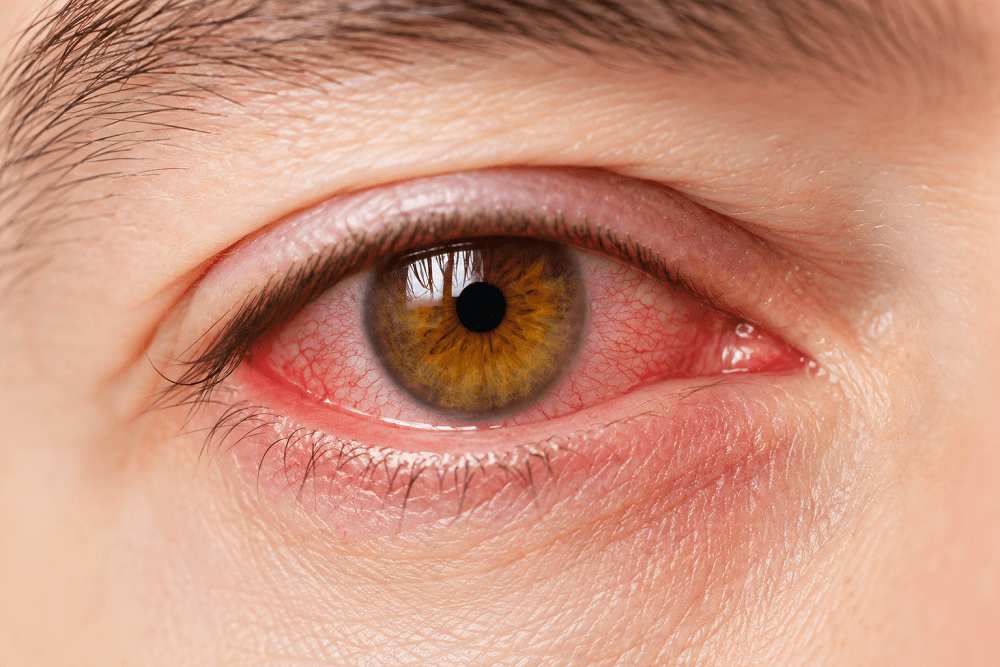
Dry, gritty, tired eyes at the end of a long day are common, and for many people they come and go without much concern. But when that discomfort turns into a daily pattern, it may be a sign of dry eye disease. This condition affects a large number of people worldwide, particularly those who spend long hours on screens, wear contact lenses, or live in dry or air-conditioned environments. The tricky part is knowing when tired eyes are normal and when they need a proper check-up.
This checklist is prepared to help you notice the signs and decide when it is time to book an appointment with an optometrist. It is general information only and is not a substitute for a professional eye examination.
How to Use This Dry Eye Checklist
Read through each section below and note which symptoms feel familiar. You do not need to tick every box for dry eyes to be relevant. If you recognise a few signs across different categories, or one symptom is persistent and affecting your daily life, that is generally a good reason to speak with an optometrist. Only a qualified eye care professional can properly assess your eyes and recommend the right next step.
The Dry Eye Symptoms Checklist
Everyday discomfort signs
- Stinging, burning, or scratchy feeling in one or both eyes
- A sensation that something is in your eye, even when nothing is there
- Redness that comes and goes, especially later in the day
- Eyes that feel dry shortly after waking up
Vision-related signs
- Blurry vision that improves when you blink
- Vision that fluctuates throughout the day
- Increased sensitivity to bright light or glare
- Difficulty focusing during reading or screen use
Eye fatigue and daily-function signs
- Eyes that feel tired or heavy well before the day is over
- Trouble wearing contact lenses for as long as you used to
- Watery eyes that seem to overcorrect for dryness
- A need to blink more often or rub your eyes
Situational signs
- Symptoms that worsen in air-conditioned rooms, on flights, or in wind
- Discomfort that increases with prolonged screen time
- Eyes that feel worse by the end of the workday
- Symptoms that ease with lubricating drops but return within hours
When Should You See an Optometrist for Dry Eyes?
Occasional dryness, particularly after a big day on screens or a long flight, is not usually a cause for concern. However, it is worth booking an appointment if your symptoms are persistent, getting worse over time, or if over-the-counter lubricating drops are no longer giving relief.
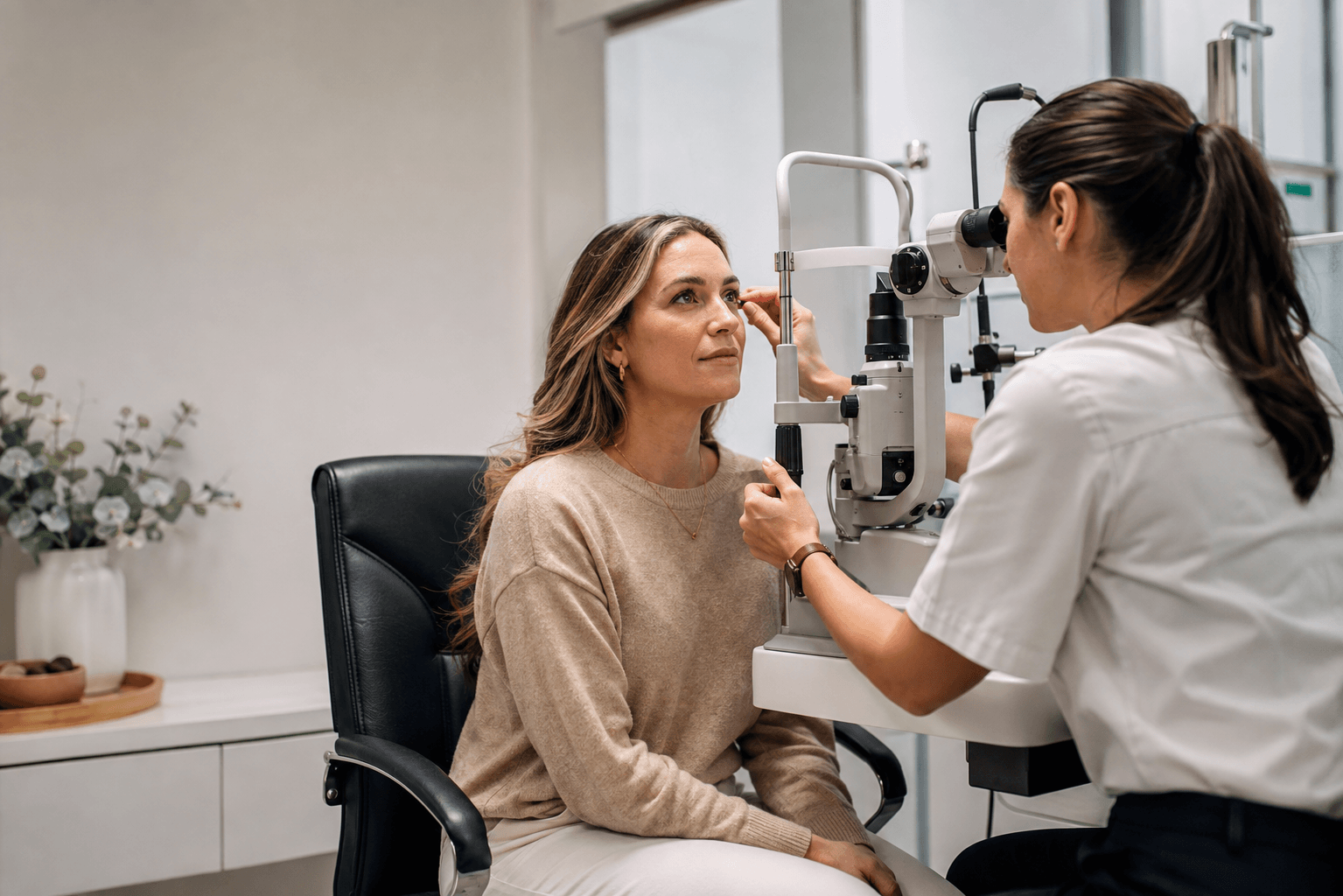
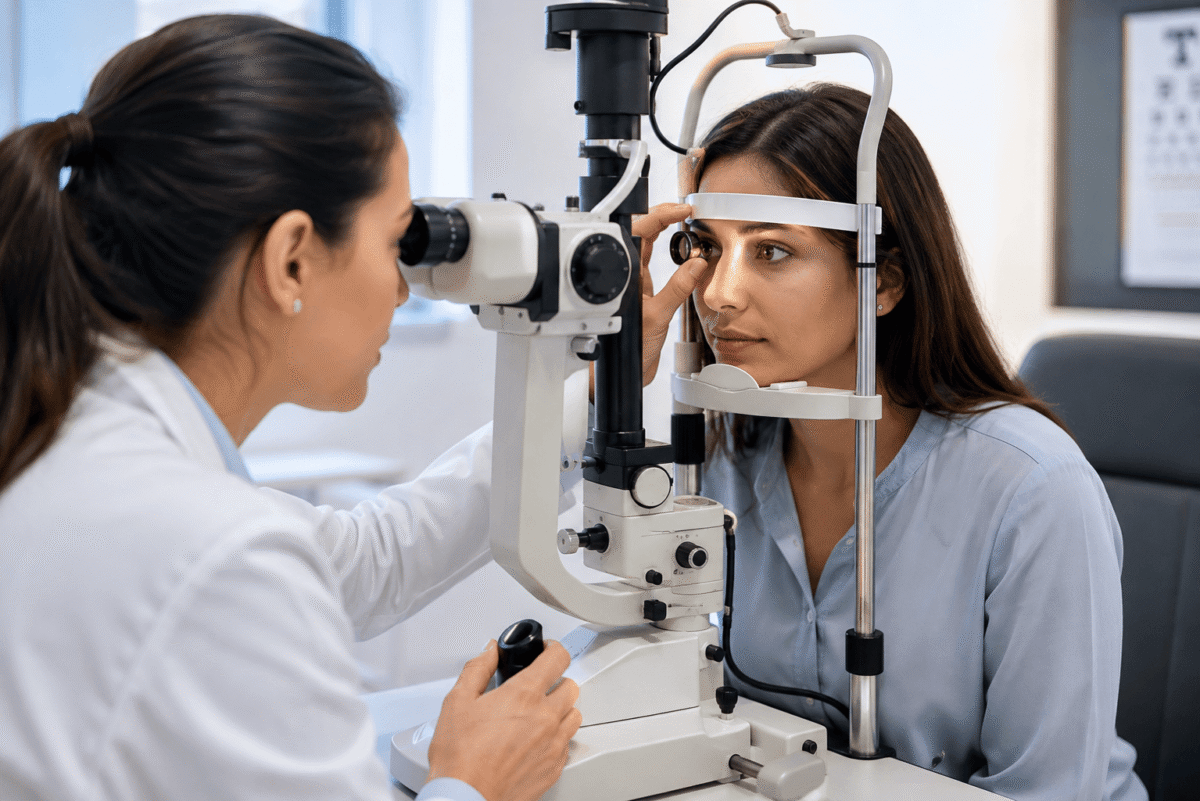
It is also worth getting checked if dry eye symptoms are interfering with things you need to do, such as driving, reading, working on a screen, or wearing contact lenses comfortably. An optometrist can look at the surface of your eyes, assess your tear film, and help identify whether dry eye disease, an underlying condition, or another factor is contributing to what you are experiencing.
Symptoms That Need Prompt Care
Some symptoms go beyond typical dryness and should be assessed sooner rather than later. These include sudden or severe eye pain, a noticeable change in vision, significant light sensitivity that appears suddenly, unusual eye discharge, or redness that comes with swelling. Using 2mg eye drops for dry eyes can help manage everyday dryness and irritation. If you experience any of these, contact an optometrist or seek medical attention promptly rather than waiting to see if symptoms settle on their own.
Frequently Asked Questions
How do I know if my dry eye is serious?
Dry eye tends to become a more significant concern when symptoms are frequent, persistent, or resistant to basic measures like lubricating drops and rest breaks. If discomfort is affecting your ability to work, read, or wear contact lenses, or is paired with any of the urgent signs above, it is a good idea to have your eyes properly assessed rather than guessing at the cause.
When Dry Eye Symptoms Mean It’s Time to Book an Optometrist?
Book an appointment if symptoms have lasted more than a week or two, keep coming back, or are not improving with simple lifestyle changes such as taking screen breaks or using preservative free lubricating drops. An optometrist can determine the underlying cause and suggest a management plan suited to your situation.
Can I check my dry eye symptoms at home?
Several conditions can mimic dry eye, and an accurate diagnosis relies on tools only available in a clinical setting. A checklist is a helpful starting point, not a replacement for a professional assessment.
Conclusion
Dry eyes are common, but persistent or worsening symptoms deserve proper attention rather than guesswork. Using this checklist can help you get a clearer picture of what you are experiencing and whether it is time to seek professional advice. If any of the signs above sound familiar, particularly if they are affecting your daily comfort or vision, booking an appointment with an optometrist is the safest next step toward understanding what is going on.
References:
- https://www.pacificeyedoctors.ca/eye-exams-services/dry-eye-symptoms-checklist/
- https://www.mayoclinic.org/diseases-conditions/dry-eyes/symptoms-causes/syc-20371863
- https://www.betterhealth.vic.gov.au/health/conditionsandtreatments/dry-eye