Dry eye happens for different reasons in different people, ranging from screen habits and climate to eyelid gland issues and underlying health conditions. Understanding the factors contributing to your dry eye symptoms can help guide appropriate management and support discussions with your optometrist. Below is a breakdown of the two root mechanisms behind dry eye, the everyday triggers that set it off, who’s most at risk, and when it’s worth getting checked.
What Causes Dry Eye? The Two Root Mechanisms
At its core, dry eye happens when your tear film (the thin layer of moisture covering your eyes) stops doing its job properly. There are two broad ways this can go wrong.
Not enough tears (aqueous-deficient dry eye) This is when your eyes don’t produce enough of the watery layer of tears needed to keep the surface lubricated. It’s often linked to ageing, certain autoimmune conditions, and medications that reduce tear production as a side effect.
Tears that evaporate too fast (evaporative dry eye) This is actually the more common form. Your tear film has an oily outer layer, produced by tiny glands along your eyelids, that keeps tears from evaporating too quickly. When that layer is disrupted, often due to blocked or inflamed eyelid glands, tears may be present but evaporate before they can do their job.
Many people experience a mix of both, which is why identifying the underlying cause of dry eyes matters more than reaching for a bottle of drops and hoping for the best.
Common Triggers Behind Dry Eye
- Environmental factors: Wind, air-conditioning, heating, and low humidity all speed up tear evaporation. If symptoms flare up on flights, in air-conditioned offices, or during dry winter months, the environment is likely playing a role.
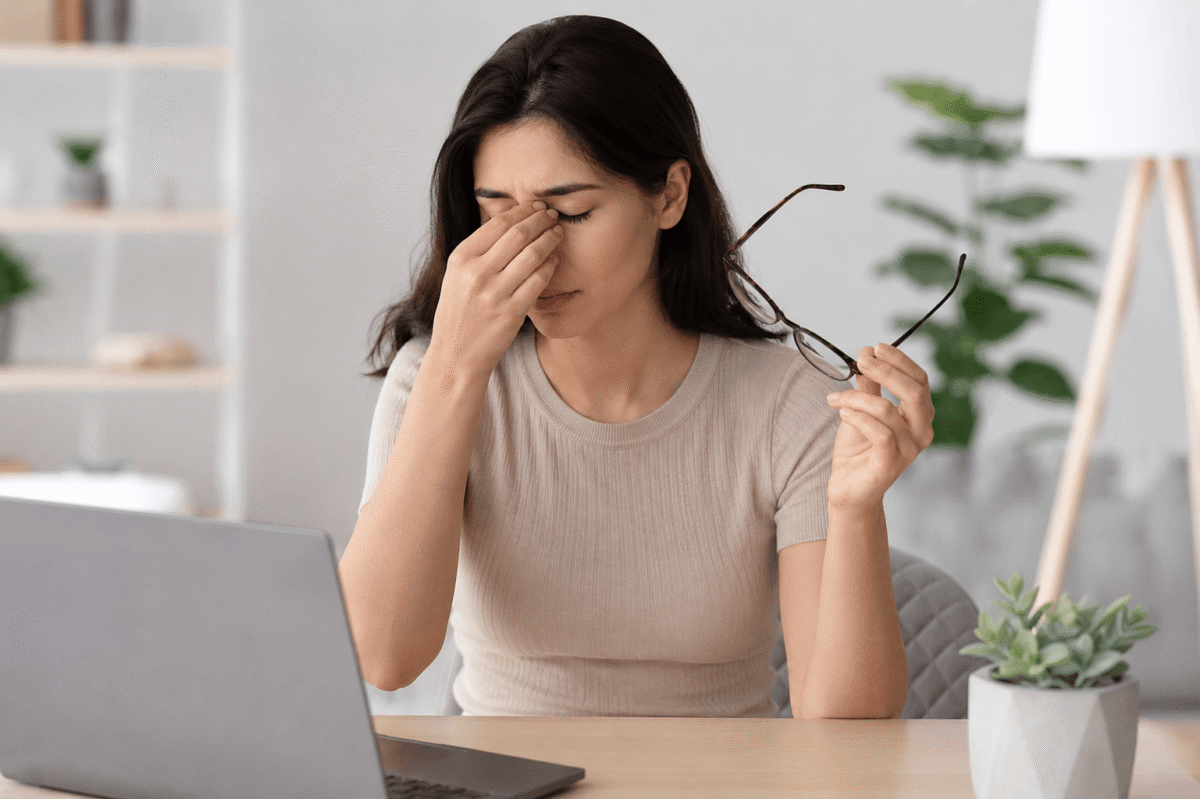
- Extended screen time and reduced blink rate: One of the most talked-about modern causes of dry eyes is screen time. When we focus on a screen, we blink far less often, sometimes by half, giving tears less chance to spread evenly and replenish. This is one of the clearest links between screen time and dry eyes, especially for people working long hours at a computer.
- Ageing and hormonal changes: Tear production naturally declines with age, and hormonal shifts during pregnancy, on birth control, or through menopause can also affect tear quality, which is why dry eye is more common in older adults and in women generally.
- Contact lens wear: Lenses sit directly on the tear film and can disrupt its stability, making dryness more likely, particularly with extended wear or lenses that don’t suit your eyes.
- Eyelid conditions (blepharitis and MGD): Blepharitis and meibomian gland dysfunction (MGD) both interfere with the oily layer of your tears. Inflamed or blocked eyelid glands are a major contributor to evaporative dry eye and a common finding in eye examinations.
- Medications and medical treatments: Antihistamines, decongestants, antidepressants, some blood pressure medications, and hormone therapies can reduce tear production as a side effect. If dry eyes started around the same time as a new medication, mention it to your optometrist.
- Underlying health conditions: Autoimmune conditions such as Sjögren’s syndrome, rheumatoid arthritis and lupus, as well as diabetes and thyroid disorders, are recognised dry eye risk factors that can affect tear glands directly or alter tear composition.
Who Is More Likely to Get Dry Eye?
Dry eye becomes more common after age 50, and women are affected more often than men, largely due to hormonal factors. People who wear contact lenses, spend long hours on screens, live in dry or windy climates, or manage an autoimmune or thyroid condition also carry a higher risk.
How Identifying Your Trigger Helps Manage Symptoms
Someone whose symptoms are mostly environmental may benefit from measures such as using a humidifier and taking regular screen breaks. Someone with blepharitis or MGD may need eyelid hygiene routines alongside lubricating drops.
For many people, especially those managing chronic or recurring symptoms, using 2mg preservative free eye drops formulation reduces the risk of further irritation that preservatives can sometimes cause with frequent use. Knowing your trigger shapes what actually helps.
Always read the label and follow the directions for use. If symptoms persist, worsen, or you are unsure which product is right for you, talk to your pharmacist, optometrist, or doctor.
When to See an Optometrist About Dry Eye Causes
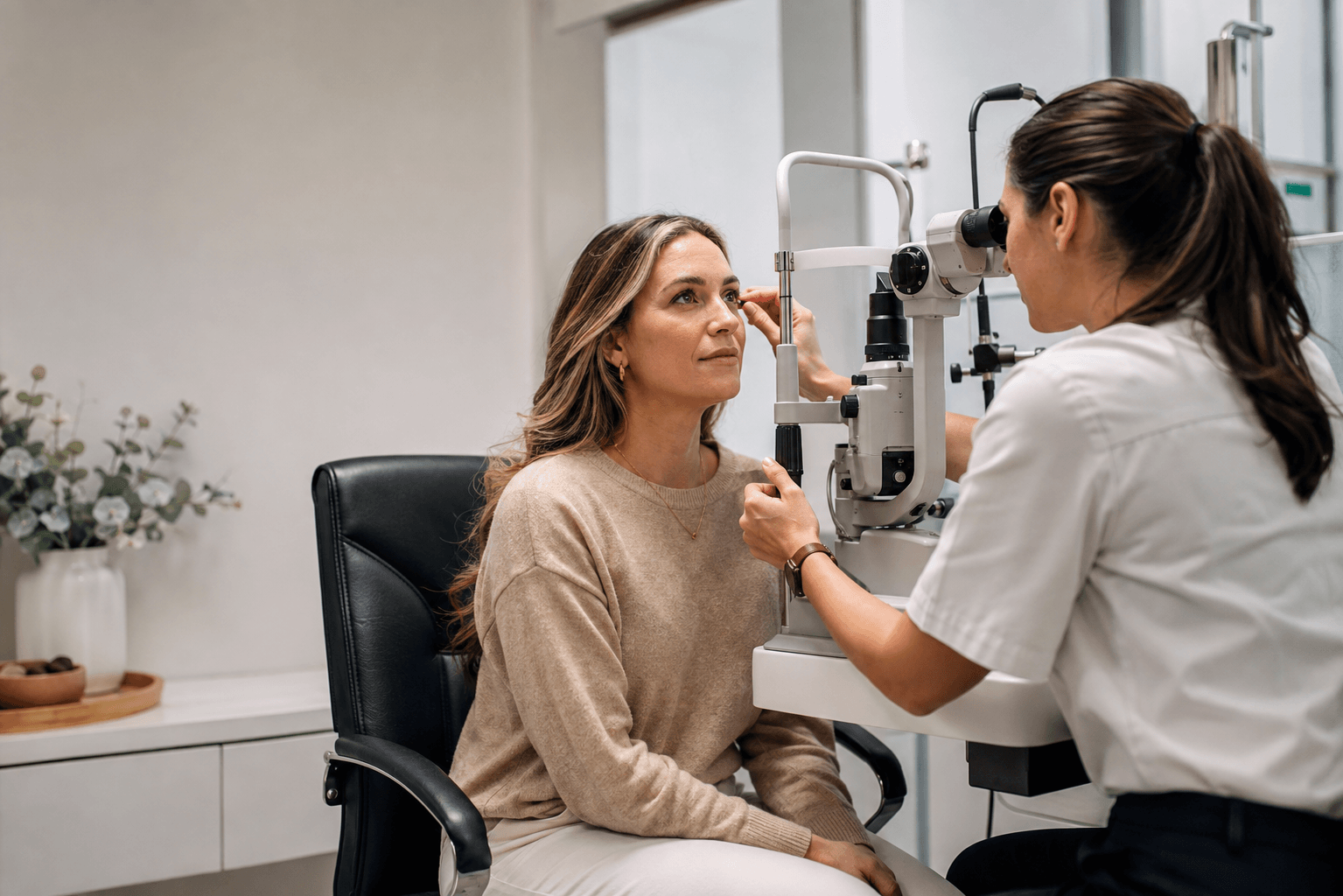
Occasional dryness after a long flight or a big day on screens is normal. But if symptoms are frequent, worsening, or affecting your vision or ability to wear contact lenses, it’s time to book an eye examination. An optometrist can assess your tear film and eyelid glands to pinpoint whether you’re dealing with an aqueous-deficient, evaporative, or mixed form of dry eye, rather than guessing at solutions.
Frequently Asked Questions
What is the main cause of dry eyes?
There isn’t one single cause. Dry eyes result from either reduced tear production or tears evaporating too quickly, often due to aging, environment, or eyelid gland issues.
Can dry eyes be caused by too much screen time?
Yes. Extended screen use reduces how often you blink, which disrupts your tear film and speeds up evaporation.
Why do my eyes get dry even when I’m not using a screen?
Environmental factors, eyelid conditions, medications, or underlying health issues can all cause dry eye independent of screen use.
Can dry eye triggers be reversed?
Some factors, such as environmental conditions or screen habits, may be modified. Others may require ongoing management in consultation with an eye-care professional.
Conclusion
Dry eyes rarely have just one cause. It’s usually a combination of how your tears are made, how they evaporate, and the everyday habits and health factors that tip the balance. Recognising your specific triggers makes it far easier to manage symptoms effectively. If dryness keeps coming back, an eye examination is the most reliable way to get answers and a plan that fits your eyes.
References:
- https://www.mayoclinic.org/diseases-conditions/dry-eyes/symptoms-causes/syc-20371863
- https://my.clevelandclinic.org/health/diseases/24479-dry-eye
- https://www.uhc.com/news-articles/healthy-living/7-common-causes-dry-eye-and-what-do-about-them