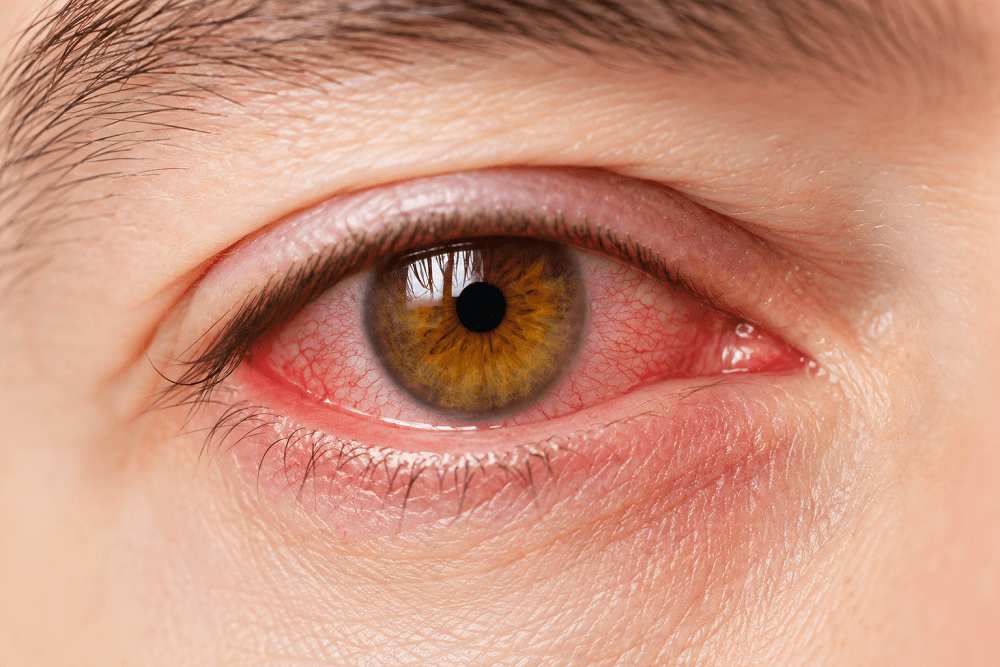
Dry eye is one of the most common concerns optometrists see in Australia. Some people get a rough week or two during allergy season or a stretch of late nights and screen time, and it clears up without much thought. Others notice the same grittiness and irritation returning again and again, no matter what they change about their routine, which is usually when the question of whether this is actually a chronic condition starts to matter.
The answer depends on what is causing it, and that is not always something you can work out just by how your eyes feel day to day, which is exactly why it helps to understand the difference before assuming either way.
Here’s what we’ll cover: what counts as chronic, why dry eye tends to stick around, the three main types, whether it can be cured, and how to manage it long term.
Is Dry Eye Chronic, or Can It Be Temporary?
Dry eyes can be either. Some cases are short-lived and go away once the trigger is removed, such as dry indoor air, a few late nights of screen use, or a short course of medication that dries out the eyes. Other cases are ongoing and linked to how your eyes naturally produce or hold onto moisture, which is where the term chronic dry eye comes in.
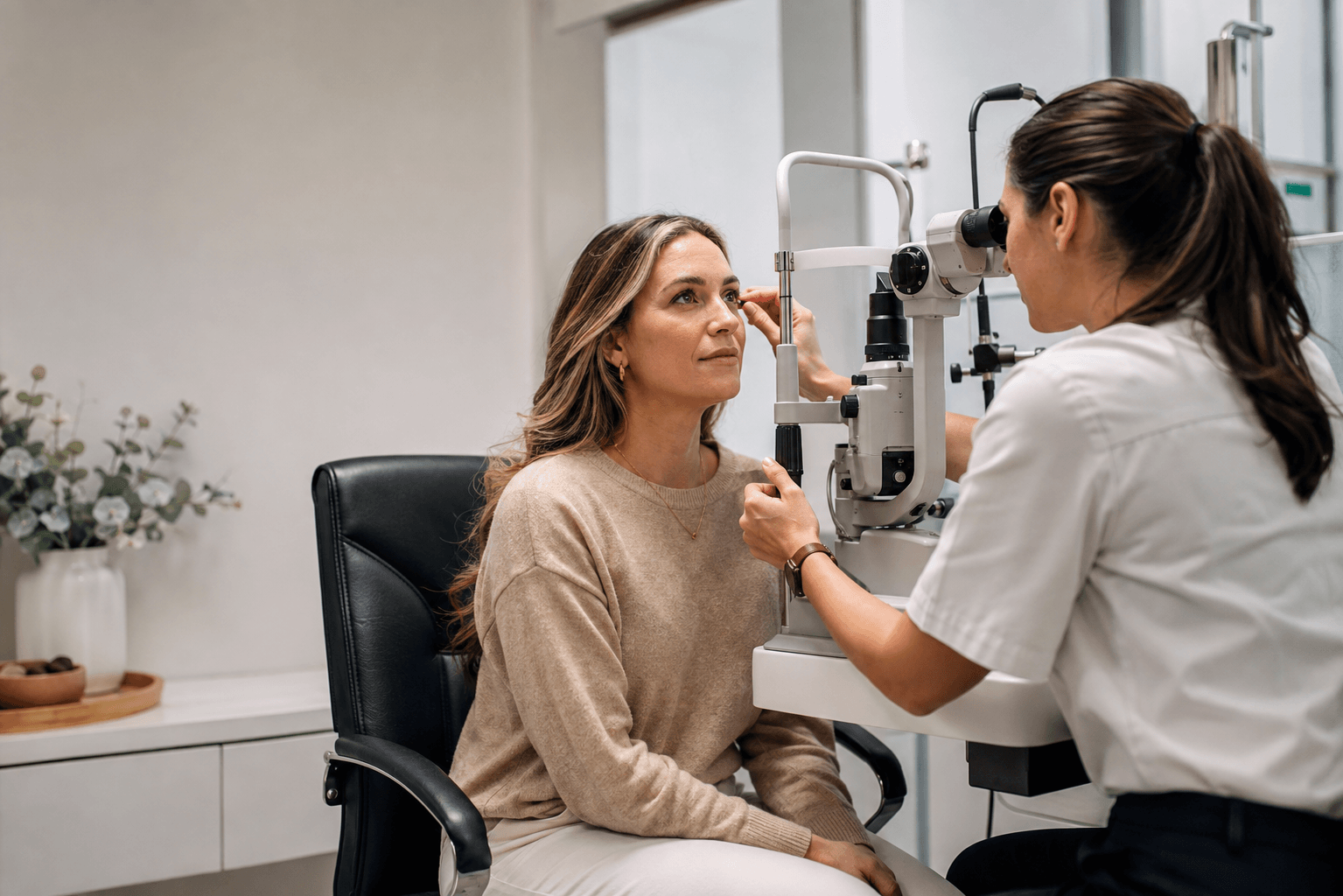
The key difference is whether the underlying cause is temporary or structural (something about how your tear film is made or how your glands function). An optometrist is best placed to tell you which one you are dealing with, because the symptoms can look almost identical on the surface.
What “Chronic” Actually Means for Your Eyes
Dry eye disease is the broader clinical term used to describe this condition, and in a medical sense, chronic simply means long-lasting or recurring, typically persisting for three months or more, rather than resolving within a short window. It does not mean untreatable, and it does not mean it will always be severe. It means the condition tends to be ongoing and usually needs a management approach rather than a single fix.
For dry eyes specifically, chronic cases often involve an imbalance in the tear film itself, whether that is not enough tear volume, poor tear quality, or the tears evaporating too quickly. Because these are functional issues rather than a one-off irritation, they tend to need consistent care rather than a quick remedy.
Why Dry Eye Tends to Be Long Term
What causes dry eyes to become ongoing rather than a one-off? Usually, everyday factors: ageing, hormonal changes, screen time, medications, and Australian conditions like wind, sun, and air conditioning, plus issues with the meibomian glands that produce the oily layer of your tears. Since these causes stick around, the dryness often returns even after a period of feeling fine.
Comparison Table: Evaporative, Aqueous Deficient, and Mixed Dry Eye
| Type | What It Means | Common Causes | Typical Symptoms |
| Evaporative Dry Eyes | Tears evaporate too quickly, usually because the oily (lipid) layer is not doing its job | Meibomian gland dysfunction, blinking less during screen use, windy or dry climates | Burning, stinging, watery eyes that still feel dry, worse by the end of the day |
| Aqueous Deficient Dry Eyes | The eyes do not produce enough of the watery layer of tears | Ageing, certain autoimmune conditions, some medications | Gritty or sandy feeling, discomfort that builds through the day, sensitivity to light |
| Mixed Dry Eyes | A combination of both evaporation and reduced tear production | A mix of the causes above, often seen in longer-standing cases | A combination of symptoms from both types, often more persistent overall |
Can Dry Eye Be Cured?
For most people, dry eye is managed rather than cured outright, particularly when it is linked to ongoing factors like age, gland function, or environment. With the right management plan, most people can bring their symptoms down to a mild, manageable level or have long stretches with little to no irritation at all.
It is always worth having a proper assessment before assuming your case is one or the other, since guessing can lead to months of using the wrong approach.
Understanding Dry Eye Flare-Ups
A flare-up is a period where dry eye symptoms become noticeably worse than your usual baseline, often triggered by something specific. Common flare-up triggers in Australia include long stretches of air conditioning or heating, windy days, extended screen use, seasonal allergens, poor sleep, and dehydration.
Flare-ups are a normal part of living with a chronic condition, and most settle back down once the trigger passes and your usual routine is back in place. If flare-ups are becoming more frequent or more severe, that is generally a sign it is time to check in with your optometrist rather than just riding it out.
Dry Eye Causes and Management: What Long-Term Care Looks Like
Long-term management is generally built around consistency rather than a single treatment. It often includes a combination of daily habits (like taking screen breaks and staying hydrated), lid hygiene routines, environmental adjustments, and, where appropriate, treatments recommended by your optometrist based on your specific type of dry eye.
Lubricating eye drops are one of the most commonly recommended everyday measures for people managing dry eye symptoms. Many optometrists suggest 4mg eye drops without preservatives for patients who need to use them frequently throughout the day.
Evaporative, aqueous deficient, and mixed dry eyes each have different underlying causes, the most effective plans are usually tailored rather than generic. What works well for someone with gland-related evaporative dry eye may not be the right fit for someone with an aqueous deficiency, which is why a proper diagnosis matters more than trying products at random.
Living Well With Chronic Dry Eye
Living well with chronic dry eye is realistic for most people once they understand their triggers and have a plan that fits their day-to-day life. Many patients find that once they know what sets their symptoms off, whether that is a long day at a screen or a particularly windy commute, they can plan around it rather than being caught off guard.
It also helps to think of dry eye management as an ongoing routine rather than something you only think about when it flares up. Small, consistent habits, alongside the right lubricating drops for your specific case, tend to make a bigger difference over time than reacting only when things feel bad.
When to See an Optometrist
You should see an optometrist if your eyes are regularly dry, irritated, gritty, or watery, if over-the-counter measures are not giving you relief, or if you are noticing changes in your vision alongside the discomfort. It is also worth booking a check if flare-ups are becoming more frequent, if your eyes feel worse despite trying to manage them yourself, or if you simply want a clear diagnosis rather than guessing at the cause.
An optometrist can identify which type of dry eye you have and build a plan around that, rather than you working through trial and error on your own.
Frequently Asked Questions
Does dry eye go away on its own?
Sometimes, if it is caused by a temporary factor such as a short bout of dry weather, a period of poor sleep, or a medication you are no longer taking. If the cause is ongoing, such as gland dysfunction or age-related changes, it is less likely to resolve fully without some form of management.
How long does a dry eye flare-up usually last?
This varies from person to person and depends on the trigger, but flare-ups often settle within a few days once the trigger is removed. If a flare-up lasts longer than usual or keeps recurring, it is worth mentioning to your optometrist.
Will I need to use eye drops forever?
Not necessarily for everyone, but for people with ongoing tear production or gland issues, some form of regular support, such as lubricating eye drops, is often part of long-term management. Your optometrist can advise on what is appropriate for your specific case rather than a blanket answer.
Does dry eye get worse with age?
Age is one of several factors that can contribute to dry eye, particularly because tear production and gland function can change over time. This does not mean it is inevitable for everyone, but it is a common pattern seen in older patients.
Can chronic dry eyes be cured?
In most ongoing cases, dry eye is managed rather than fully cured, though many people reach a point where symptoms are mild and well controlled. Where the cause is a reversible trigger, resolving that trigger can resolve the dryness as well.
Is dry eye syndrome the same as chronic dry eye?
Dry eye syndrome, also referred to as dry eye disease, is the broader term for the condition, and chronic dry eye simply refers to cases that are ongoing or recurring rather than short-lived. Not every case of dry eye syndrome is chronic, but many long-standing cases fall into that category.
How often should I see an optometrist if I have chronic dry eye?
This depends on the severity of your case, but a general guide is a check-up at least once or twice a year, or sooner if symptoms change or flare-ups increase. Your optometrist will usually recommend a review schedule based on your specific situation.
Conclusion
Dry eyes can be temporary or chronic, depending on what is causing it, and a proper assessment is the only real way to know which one applies to you. Whether you are dealing with evaporative, aqueous deficient, or mixed dry eyes, the good news is that most people can bring their symptoms under control with the right long-term plan, whether that means lifestyle adjustments, lubricating drops, or a combination of both.
If your eyes have been bothering you more often than not, it is worth booking in with an optometrist to get a clear answer rather than living with the uncertainty.