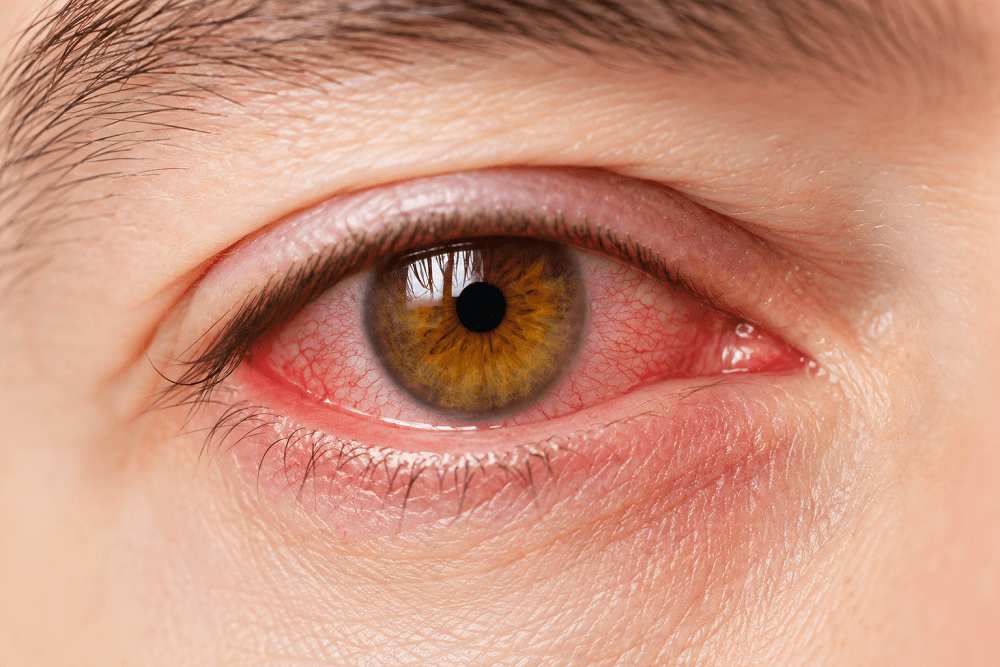
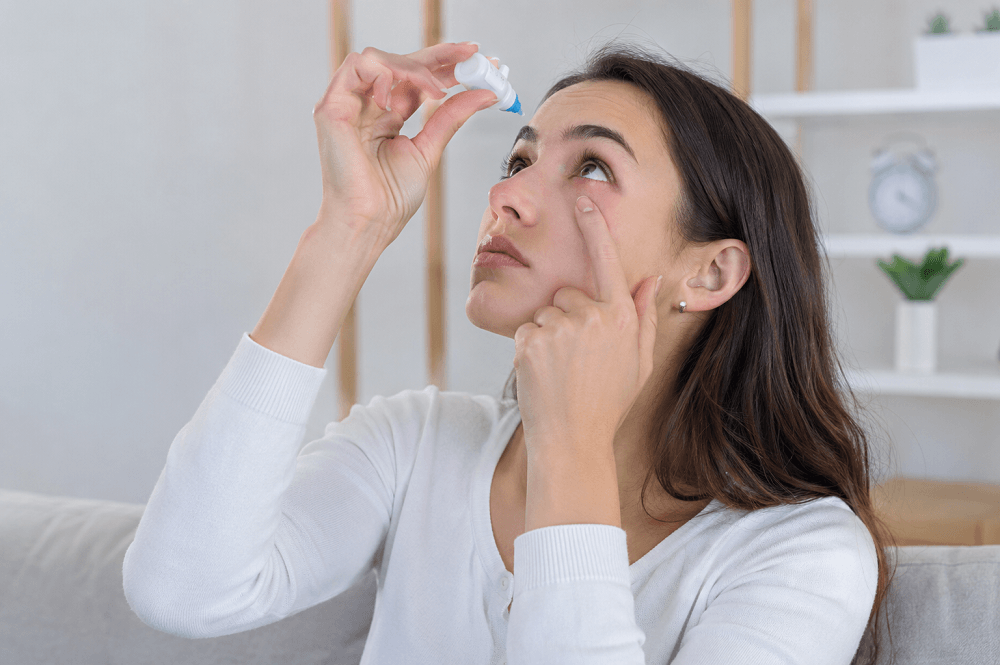
You have been using lubricating eye drops for a few days and your eyes still feel scratchy by mid-afternoon. It is a fair thing to wonder about. Most of us expect eye drops to work the way a headache tablet does, quickly and obviously, and when that does not happen it is easy to assume the drops are not doing anything.
Dry eyes do not usually work like that. Here is a realistic timeline, based on Australian clinical guidance, plus the point at which it is worth booking an appointment.
How long do eye drops take to work for dry eyes?
Most people feel some soothing within minutes, but that first bit of comfort fades. Lasting improvement usually takes around a week of consistent daily use, and for some people it takes up to a month.
That gap between instant relief and real improvement is where most of the confusion sits. The soothing you feel straight after a drop goes in is the liquid itself sitting on the eye surface. The longer term change comes from using them regularly enough that your tear film becomes more stable between blinks, and that takes time to build.
Regular use of lubricants over a month produces an improvement of around 25 percent in the signs measured at an eye examination. That figure is worth sitting with. It tells you two useful things: the drops do help, and the change is gradual rather than dramatic.
What to expect, week by week
The first few days
Relief right after each drop, fading after a while. Nothing much changes between doses yet. This is normal and not a sign the drops are wrong for you.
Around one week
For many people this is when the background level of discomfort starts to drop. Mornings may feel easier, or you notice you are reaching for the bottle a little less often.
Two to four weeks
This is where the more meaningful change usually shows up, particularly if you have been using the drops consistently rather than only when symptoms flare.
Beyond four weeks
If nothing has changed at all by this point, that is your cue to get your eyes examined rather than to keep going and hope.
Why it takes longer for some people
The timeline varies quite a bit from person to person, and a few things explain most of that variation.
- How long symptoms have been there. Long-standing dryness generally takes longer to settle than a recent flare brought on by a dry office or a heavy week of screen work.
- What is driving the dryness? Most dry eyes are evaporative, linked to the oil glands in the eyelids rather than the amount of tears produced. Drops alone may not be enough if the lid glands are the main issue.
- Whether you are using them consistently. This is the big one, and it is covered below.
- Preservatives, if you are using drops often. Frequent use of preserved drops can irritate the eye surface in some people, which is why preservative-free options are often suggested for regular or long-term use.
- Other contributors are sitting in the background. Some medicines, eyelid inflammation, air conditioning and contact lens wear can all keep symptoms going while you are treating them.
Are you using your drops often enough?
This is the most common reason drops seem to stop working, and it is an easy fix.
Plenty of people use lubricating eye drops the way they would use a painkiller, only when the discomfort gets bad enough to notice. Used that way, you get the short burst of relief and never really give the tear film a chance to stabilise. Using them at regular intervals through the day, as directed on the label, is what produces the gradual improvement.
If you are unsure how often is appropriate for you, ask your pharmacist or optometrist. It depends on the product and on how significant your symptoms are.
When four weeks have passed and nothing has changed
You should see an optometrist or ophthalmologist if symptoms persist or worsen despite appropriate treatment for four weeks. That is a sensible benchmark to hold yourself to.
An examination can work out what is actually driving your symptoms, which is the part drops cannot tell you. It might be the oil glands in your lids, a medicine you are taking, or something that needs a different approach entirely.
Do not wait four weeks if you notice any of these
- Moderate or severe eye pain
- Marked redness in one eye
- Sensitivity to light that is new or getting worse
- Reduced or deteriorating vision
Dry eyes can look like other conditions, so anything sudden, painful or one-sided deserves prompt attention rather than another week of drops.
Conclusion
Expect soothing straight away, noticeable improvement at around a week, and a clearer sense of whether the drops are helping by the four week mark. Use them regularly rather than only when symptoms bite. If four weeks of consistent use has not made a difference, book an eye examination instead of persevering on your own.
Frequently Asked Questions
How long do eye drops take to work for dry eyes?
Most people feel soothing within minutes, but longer lasting improvement usually takes about a week of regular use. For some people it takes up to a month.
Should I use lubricating eye drops every day?
Regular use is generally what produces improvement, rather than using drops only when symptoms flare. Follow the directions on the label, and ask your pharmacist or optometrist what suits your situation.
Why do my eye drops feel like they have stopped working?
Often it is because they are being used occasionally rather than at regular intervals. It can also happen if the underlying cause has not been addressed, or if frequent use of preserved drops is irritating the eye surface.
How long should I wait before seeing an optometrist about dry eyes?
If symptoms persist or worsen after about four weeks of appropriate use, book an appointment. Seek prompt care sooner if you have eye pain, marked redness in one eye, light sensitivity or any change in vision.
Can dry eyes be fixed permanently with eye drops?
Lubricating eye drops help relieve symptoms rather than remove the underlying cause. For many people dry eye needs ongoing management, and an optometrist can advise on the right approach for you.
References:
- https://australianprescriber.tg.org.au/articles/dry-eye-disease-when-to-treat-and-when-to-refer.html
- https://www.specsavers.com.au/eye-health/eye-conditions/dry-eye-syndrome
- https://healthinformationaustralia.com.au/api/xml/?token=C39EDFF5B2513A10D8A28F0E&qr=0&filename=lpg-a4-dryeyes.pdf