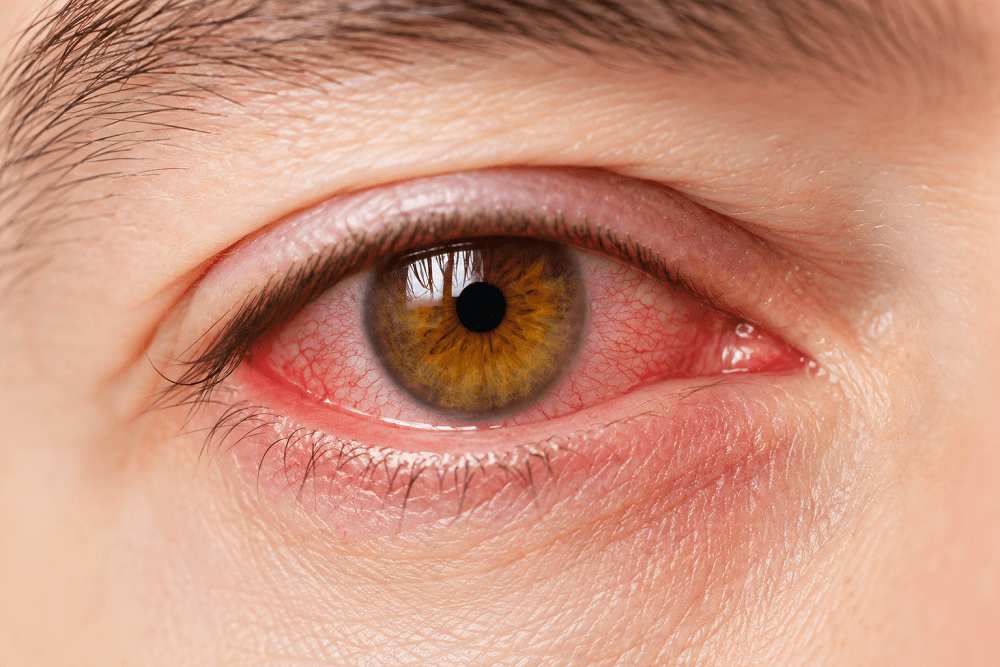
If your eyes feel gritty by mid-afternoon, sting in air conditioning, or water uncontrollably on a windy day, you are not imagining it, and you are not alone. Dry eye is one of the most common reasons Australians book an eye test, and it is becoming more common as screen time rises and heating and cooling dry out the air we live in.
The tricky part is that dry eye is not one condition with one fix. It is a spectrum, and learning how to manage dry eyes starts with understanding what is actually happening on the surface of your eye.
This guide covers dry eye causes and management in plain language, from the two patterns that drive most cases, through to self-care, eye drops, eyelid hygiene, and when it is time to see an optometrist.
The Two Patterns of Dry Eye, and Why It Changes Everything
Most dry eyes fall into one of two broad categories, sometimes both at once.
The first is aqueous deficient dry eye, where the glands producing the watery layer of your tears are not making enough. This is more common with age, in postmenopausal women, and alongside some autoimmune conditions.
The second, and the more common pattern in Australian optometry practices, is evaporative dry eye. This happens when the meibomian glands along your eyelid margins do not release enough oil into the tear film. Without that oily layer, tears evaporate too quickly, even when plenty are being produced. Meibomian gland dysfunction is recognised as a major contributor to many cases of dry eye, which is why management often includes attention to eyelid health in addition to lubricating eye drops.
Knowing which pattern applies to you matters. Treating evaporative dry eye with drops alone while ignoring blocked oil glands is like mopping a floor without turning off the tap, which is exactly why a proper assessment beats guesswork.
Getting Assessed in Australia
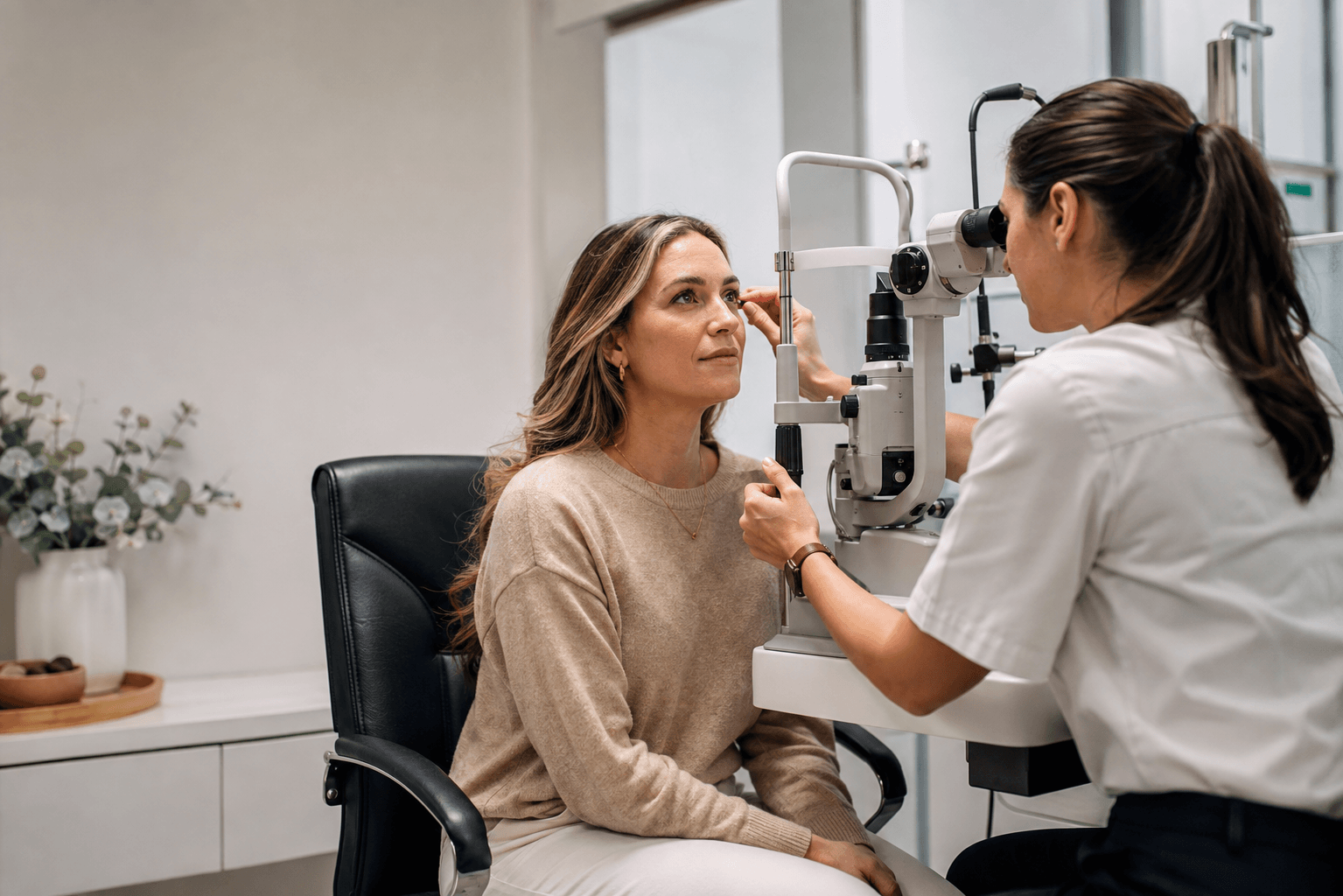
A dry eye assessment typically includes a discussion of your symptoms and history, followed by tests such as tear film break-up time, surface staining, and examination of the meibomian glands, sometimes with specialised imaging. Many Australian practices now run dedicated dry eye clinics.
You do not need a referral to see an optometrist in Australia. You can book directly, and a comprehensive eye examination that covers dry eye symptoms is generally eligible for a Medicare rebate. Extra testing, such as meibography, may attract an out-of-pocket cost, so it is worth asking when you book.
Everyday Self-Care and Your Environment
Environment and habits play a genuine role in dry eye causes and management, alongside clinical treatment.
Screen use is a major culprit. We blink up to sixty percent less often when staring at a screen, giving tears far less chance to spread evenly. A simple rule, such as looking at something twenty metres away for twenty seconds every twenty minutes, helps reset your blink rate.
Indoor air matters too. Ducted air conditioning and heating, common across Australian homes and offices, dry out the air and speed up evaporation. A humidifier near your desk or bed can help, particularly in winter or dry inland climates.
Hydration, sleep, and diet play a supporting role too. Omega-3 fatty acids, found in oily fish or supplements, are often recommended as part of a broader plan.
Choosing and Using Lubricating Eye Drops
For most people, eye drops for dry eyes in Australia are the first line of everyday management, and the pharmacy shelf can be overwhelming. The right choice depends on your dry eye pattern, how often you need drops, and whether you wear contact lenses.
If you reach for drops more than four times a day, preservative-free eye drops in Australia are strongly recommended. Preservatives such as benzalkonium chloride keep multi-dose bottles sterile, but with frequent use they can irritate the ocular surface, undermining the relief you are chasing. Preservative-free options usually come in single-use vials or filtered multi-dose bottles, and while they cost a little more, they are gentler for frequent use.
For evaporative dry eye linked to gland dysfunction, lipid-based drops that mimic the tear film’s oily layer tend to outperform simple watery drops. For aqueous deficiency, drops with hyaluronic acid or carmellose can offer longer-lasting comfort. An optometrist can match the formulation to your actual cause, rather than leaving you to trial and error.
A few practical tips: store drops as directed, never share bottles, replace opened bottles per the label, and apply drops consistently rather than only when symptoms flare.
Eyelid Care and Warm Compresses
Given how often meibomian gland dysfunction drives dry eyes, eyelid hygiene deserves just as much attention as drops.
A warm compress, applied for around ten minutes, softens the thickened oil that can block the meibomian glands. Reusable heat masks hold temperature better than a warm face washer, which cools quickly. Follow with a gentle lid massage along the lash line to help express the softened oil out.
Lid hygiene wipes or a diluted cleanser can also help manage bacterial overgrowth along the lash line, particularly with blepharitis. Building this into a daily routine, much like brushing your teeth, produces better results than occasional effort during a flare-up.
When Self-Care Is Not Enough
If you have been consistent with drops, warm compresses, and environmental changes for several weeks without meaningful improvement, that is a sign professional intervention is needed. This is one of the clearest answers to when to see an optometrist for dry eyes: persistent symptoms despite genuine self-care effort.
In-clinic options have expanded in recent years, including prescription anti-inflammatory drops for stubborn cases, punctal plugs to slow tear drainage, and in-office treatments applying controlled heat and pressure to clear blocked glands more thoroughly than a compress at home.
Your optometrist may also investigate underlying contributors, such as thyroid conditions, autoimmune disease, or medications that reduce tear production, and refer you where appropriate.
How Long Does Dry Eye Management Take to Work?
Dry eye management is rarely an overnight fix. Mild cases responding to simple drops and environmental changes might improve within one to two weeks. Meibomian gland dysfunction typically takes six to twelve weeks of consistent warm compress therapy before glands function noticeably better.
Chronic or more severe presentations may need ongoing management rather than a single course of treatment, much like any other chronic condition. Setting realistic expectations prevents the frustration that leads people to give up on a plan that was actually working, just slowly.
Get Dry Eye Support in Australia
Dry eye is common, manageable, and rarely something you need to just live with. Whether your symptoms are mild and screen related or more persistent and linked to gland dysfunction, an accurate assessment is the foundation for genuine improvement.
If you are ready to stop guessing, book a comprehensive eye examination with your local optometrist and raise your symptoms directly, even if you are booking for an unrelated reason such as new glasses.
Frequently Asked Questions
Can dry eyes be managed at home?
Mild dry eye can often be managed at home with lubricating drops, warm compresses, blink breaks, and a humidifier. Persistent or severe symptoms need professional assessment.
Do I need a referral to see an optometrist in Australia?
No. Optometrists are primary healthcare providers, so you can book directly without a GP referral.
Is a dry eye assessment covered by Medicare?
A standard comprehensive eye examination is generally eligible for a Medicare rebate. Specialised testing, such as tear film imaging, may involve an out-of-pocket cost.
Are preservative-free eye drops better than preserved drops?
For occasional use, preserved drops are generally fine. If you need drops more than four times daily, or have a sensitive ocular surface, preservative-free eye drops in Australia are usually recommended.
How often can I use lubricating eye drops?
Preservative free drops can generally be used as often as needed. Preserved drops are typically limited to around four times a day unless your optometrist advises otherwise.
Why don’t my eye drops seem to work?
Often the drops do not match your dry eye pattern, for example, a watery drop when evaporative dry eye is the real cause. It can also mean eyelid hygiene needs adding, or that a review is overdue.
How long before dry eye management makes a difference?
Simple cases may improve within one to two weeks. Meibomian gland dysfunction typically needs six to twelve weeks of consistent warm compress therapy, so patience matters as much as the treatment itself.
Can I buy stronger eye drops without seeing an optometrist?
Basic lubricating drops are available over the counter, but prescription-strength drops require an optometrist or ophthalmologist assessment.
References:
- https://www.foreyes.com.au/news/dry-eye-management
- https://blog.opticare.com.au/clinical-guide/are-you-ready-to-manage-dry-eye-disease/
- https://www.theeyelab.com.au/understanding-dry-eye-causes-and-treatments/?srsltid=AfmBOoql_e507inIt_HYOcHi4zBlZwKFivtVfwlDtaIjhGdcq7T_CoNK
- https://georgeandmatilda.com.au/help-dry-eyes/
- https://australianprescriber.tg.org.au/articles/dry-eye-disease-when-to-treat-and-when-to-refer.html