Table of Contents
- What Causes Itchy Eyes During Hay Fever?
- Common Symptoms to Look For
- Ways to Relieve Itchy Eyes From Hay Fever
- When to See an Eye Care Professional
- Key Takeaways
- Frequently Asked Questions
Hay fever can make an ordinary day uncomfortable. Your eyes start watering when you are working, the itching gets worse when you step outside, and rubbing them only makes things worse. If this sounds familiar, you are not alone.
A few lifestyle changes can help. Simple measures can reduce pollen exposure, while treatments such as Ketotifen allergy eye drops can help relieve itching caused by allergies. Understanding what’s triggering the irritation helps you find the right way to manage it.
What Causes Itchy Eyes During Hay Fever?
Hay fever happens when the immune system reacts to airborne allergens, including pollen from trees, grasses, and weeds.
When pollen reaches the surface of the eyes, the immune system may release histamine. This chemical triggers an allergic response that can cause itching, redness, and excessive watering. The inflammation that follows is called allergic conjunctivitis, and it affects the thin membrane that covers the white part of the eye and the inside of the eyelids.
Symptoms usually become more noticeable after gardening or spending time outdoors on windy days. Pollen levels also change with the weather and season, so the severity of eye irritation can vary considerably.
Common symptoms to look for
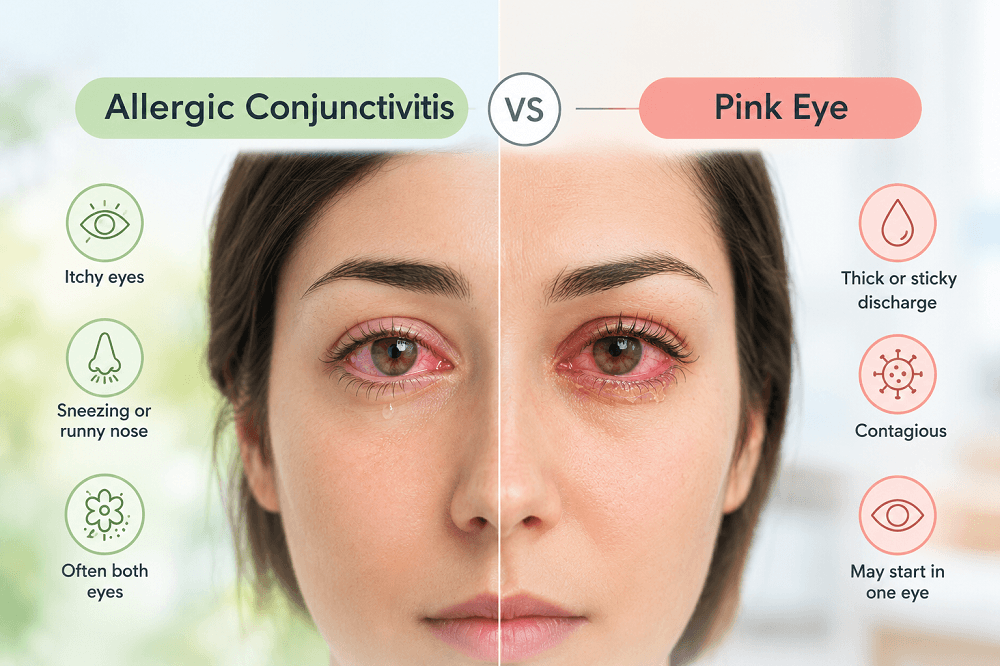
Hay fever can affect the eyes in several ways. Some people mainly experience itching, while others notice a combination of symptoms, including redness, watery eyes, swollen eyelids, a burning sensation, or a gritty feeling.
The eyes may feel as though a small particle is stuck beneath the eyelid, even when nothing is there. Persistent itching is particularly common and can create a strong urge to rub the eyes, which aggravates the irritation.
Allergic symptoms usually affect both eyes. But discomfort in only one eye, especially with pain or unusual discharge, can have another cause and should not automatically be attributed to hay fever.
7 Ways to Relieve Itchy Eyes From Hay Fever
1. Avoid Rubbing Eyes
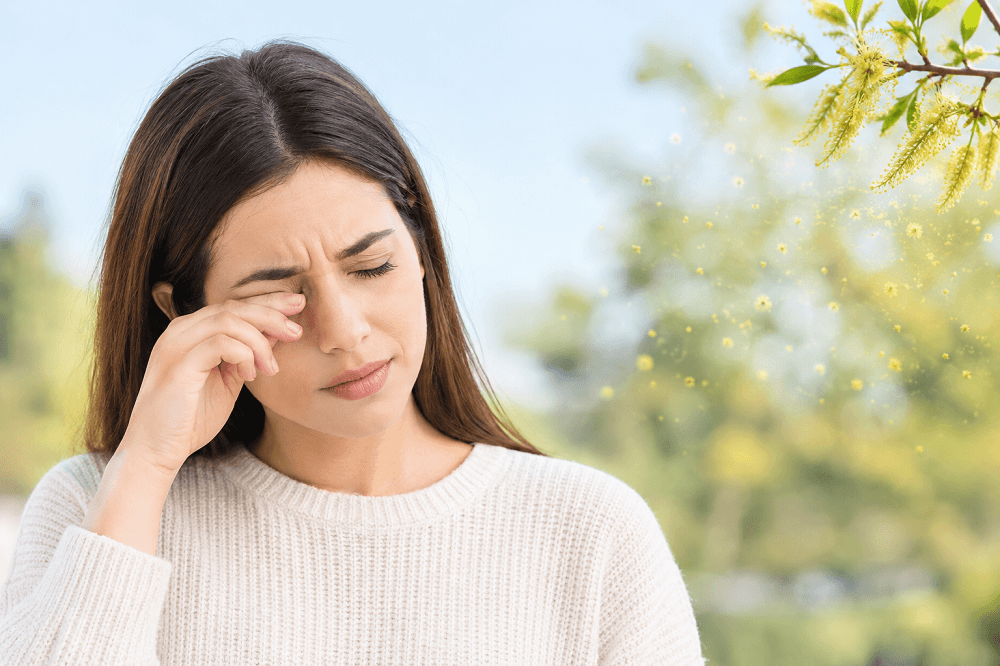
When your eyes itch, rubbing them is often the first thing you want to do. However, repeated rubbing can leave them redder and make swollen eyelids worse. It can also push pollen further into contact with the eyes, adding to the irritation.
If the itching bothers you, try holding a clean, cool compress over your closed eyelids for a few minutes. Wash your hands after being outdoors, too, particularly before touching your face.
2. Use a Cool Compress
A cool compress soothes uncomfortable eyes, especially when the eyelids are itchy or swollen. Take a wet, clean, and cool face washer, wring out the excess water, and place it gently over your closed eyelids for five to ten minutes.
Do not press down or rub the skin. The cool temperature will provide temporary relief and allow the eyes to rest. Use a clean face washer each time and avoid placing ice directly against your eyelids.
3. Rinse Pollen Away With Saline or Clean Water
Pollen can collect on your eyelashes and around your eyelids when you are outdoors. Washing your face after coming home helps remove it before you settle in for the evening.
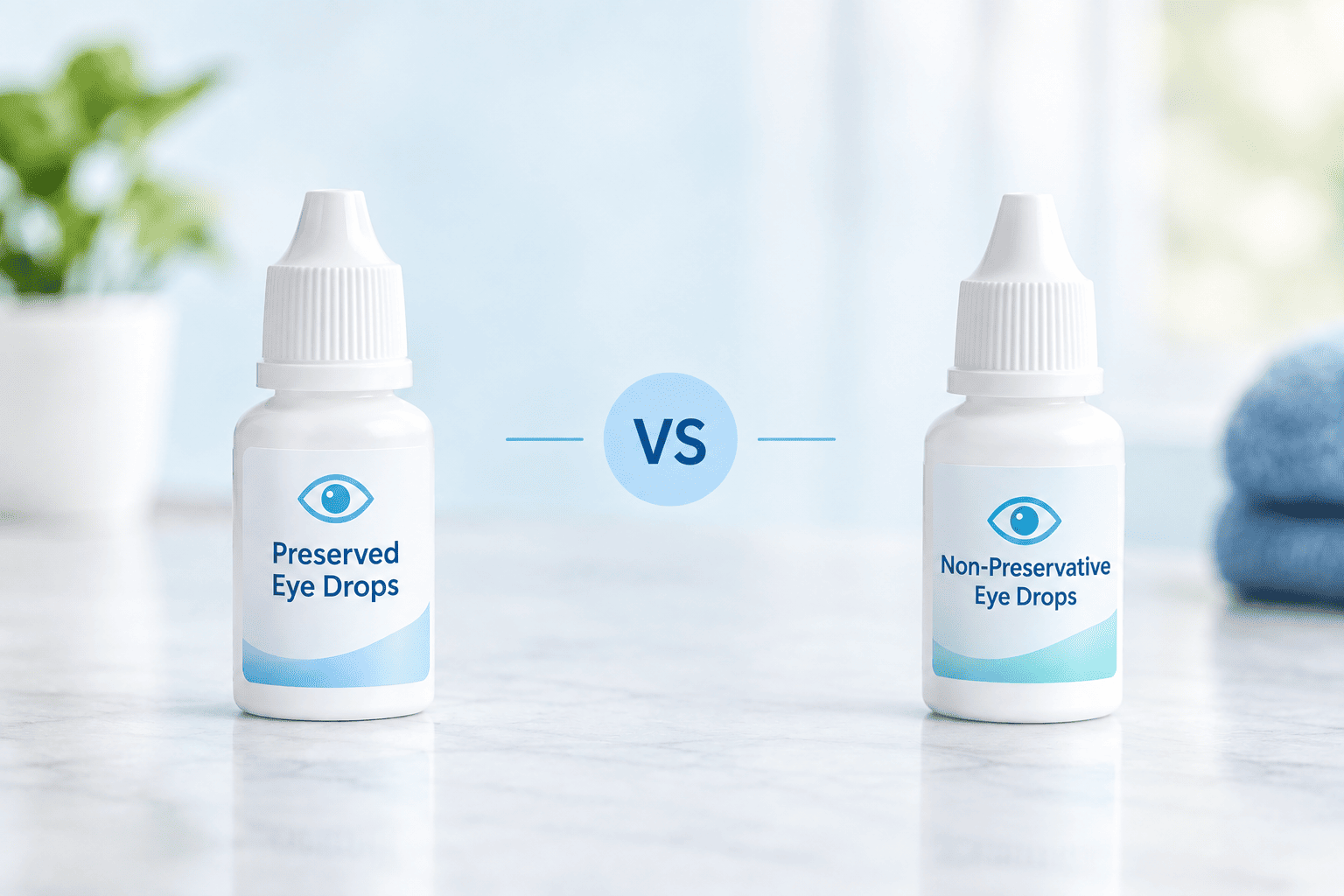
If your eyes still feel irritated, sterile saline made for eye use or preservative-free artificial tears may help rinse away loose particles.
Lubricating drops help you with dry eyes. Avoid homemade saltwater mixtures and don’t rinse your eyes with tap water, as it isn’t sterile. If you’re unsure which product to use, ask a pharmacist or optometrist.
4. Keep Windows Closed on High Pollen Days
Opening the windows isn’t always a good idea during hay fever season. When pollen counts are high, it can drift indoors and settle on furniture, bedding, and other surfaces.
Check the local pollen forecast before leaving your home. Keep windows closed where practical and use air conditioning if available on high pollen days.
5. Wear Wraparound Sunglasses Outdoors
If your eyes tend to itch whenever you go outside, wraparound sunglasses are worth considering. Their curved frames cover more of the area around your eyes than standard styles, helping keep some airborne pollen away.
Wear them when walking, gardening, or spending extended periods outdoors. They won’t keep all pollen out, but they can reduce direct exposure while protecting your eyes from sunlight.
6. Wash Hands, Face, and Hair After Being Outside
Coming indoors doesn’t mean you’ve left the pollen behind. It can cling to your hair and clothes, then transfer to your pillow or other surfaces at home.
Wash your hands and face after outdoor activities. If you’ve spent much of the day outside, take a shower and wash your hair before bed to remove pollen before you turn in for the night. Changing your clothes and washing your bedding regularly can also help, particularly if you wake up with itchy eyes.
7. Remove Contact Lenses or Switch to Glasses
Do not wear contact lenses if your eyes are itching and are inflamed. Contact lenses may feel fine on an ordinary day but become uncomfortable when hay fever flares up. If your eyes are red, watery or itchy, switch to glasses until the irritation settles.
If this happens regularly during pollen season, your optometrist can advise you on lens care and suitable treatments. Check the instructions on your eye drops, too, as some need to be used with your lenses removed.
When to See an Eye Care Professional
Itchy, watery eyes are common with hay fever, but symptoms that persist despite treatment or keep returning deserve attention. Pain, blurred vision, unusual sensitivity, significant swelling, or unusual discharge to light also require medical attention. An eye care professional can check whether allergies are responsible and recommend suitable treatment.
Key Takeaways
To manage hay fever-related eye irritation, you need to reduce pollen exposure and choose the right treatment. Some practical steps would be to wash your face and hair after being outdoors, wear wraparound sunglasses, and use a cool compress.
If the itching won’t stop, an ophthalmologist can help you choose suitable allergy eye drops in Australia. You need to understand that every episode of redness or discomfort is not caused by hay fever, particularly if you experience pain or changes in vision.
Frequently Asked Questions
1. Why do my eyes feel so itchy during hay fever season?
In hay fever season, pollen can make your immune system release histamine, which causes itching and inflammation. Symptoms can become more noticeable after spending some time outdoors.
2. Can hay fever cause swollen or puffy eyes?
Yes, the allergic reaction causes swelling around the eyelids. Rubbing your eyes may make the puffiness worse.
3. What is the difference between lubricating and allergy eye drops?
Lubricating drops add moisture and help wash away loose irritants. Allergy eye drops contain medicines that help reduce the allergic reaction and relieve itching.
4. When should I see an eye care professional about itchy eyes?
Visit an optometrist when your symptoms persist and worsen. Eye pain, vision changes, or light sensitivity require prompt medical assessment.
5. Can I wear contact lenses when I have hay fever?
Contact lenses may become uncomfortable during an allergy flare-up. Switching to glasses until your symptoms settle may be a better option.
Sources
- https://lookafteryoureyes.org/news-and-views/is-hay-fever-causing-itchy-eyes/
- https://www.optegra.com/eye-health-blog/eye-health-care/how-to-relieve-itchy-eyes-from-hay-fever/